mOBILITY SCOOTERS FOR TIGHT INDOOR SPACES
The Fold-in-10 Travel Challenge: Can Your Scooter Keep Up at the Mall?

Taste the Freedom with the Fold in 10 challenge
Hi everyone! It’s Zoe again! If you haven’t met me yet, I’m the one with the super-blinged-out scooter that’s got more style than a Hollywood red carpet. Being disabled doesn’t mean you can’t have the most eye-catching ride in the neighborhood. Today, I want to take you on a little trip to the mall, but it’s not just for shopping—it’s for a challenge that will change the way you think about travel and freedom.
The Magic of the Mall and the Pacific Coast Lifestyle
Living near the Pacific Coast means we are always on the move. Whether we are heading down to the boardwalk or navigating the busy crowds at the local mall, speed and simplicity are everything. Grandad Bob—you might know him as the webmaster who runs mobilityscootersforyou.com—always says that if a plan isn’t simple enough for a 12-year-old, it’s too complicated.
That’s why I came up with the Fold-in-10 Challenge. I wanted to see if I could get my scooter from “Ready-to-Ride” to “Ready-to-Load” in just ten seconds. Why ten seconds? Because when the sun is out and the coast is calling, nobody wants to spend twenty minutes wrestling with heavy metal parts and confusing levers.
[GENTLE CTA] Are you ready to find the stability you deserve? Explore our curated selection of 4-Wheel Scooters and find the one that feels like it was made just for you.
How the Fold-in-10 Challenge Works
The challenge is so easy to understand. You start the timer, and you have exactly ten seconds to fold your scooter into its most compact shape. I did this right in the middle of the mall food court! People were stopping their snacks just to watch.
-
Step 1: Clear your basket and make sure your “bling” is secure.
-
Step 2: Hit the release lever or the remote button.
-
Step 3: Watch it fold like a piece of high-tech origami.
-
Step 4: Stop the clock!
If you want to see how I did it, you should check out my new “Vertical Video” on TikTok or see it as an Idea Pin on our Pinterest page. We call it The Raptor Test for the bigger scooters, but for my travel ride, it’s all about the fold.
Why 4-Wheel Stability Matters in the Real World
While we were at the mall, I was thinking about why I love my 4-wheel ride so much. You might have seen our post on Why I Switched to a 4-Wheel Scooter (And You Should Too). In a crowded mall, you need to know that your scooter isn’t going to tip when you’re making a sharp turn around a shoe display.
A 4-wheel scooter gives me that “Coast-to-Coast Reliability” that Grandad Bob and his friend Frank always talk about. Frank and Betty live about 30 miles away and they have a pickup truck and scooters, so they know all about loading and unloading quickly. They always say that a scooter that is hard to fold is a scooter that stays in the garage. We don’t want that! We want to be out there, exploring and staying independent.
The 2026 Laws and Your Safety
Now, I know legal stuff sounds boring, but Grandad Bob and Grandma Janice have been spending a lot of time in the study looking at the 2026 California Scooter Laws. It turns out that having a scooter that is easy to manage isn’t just about fun—it’s about staying safe and following the rules.
When we do the Fold-in-10 Challenge, we are also making sure the battery is secure. The new laws are really strict about Battery Safety Standards and UL Certification. Because I use my scooter every day, I need to know it’s reliable from the “Coast-to-Coast” and everywhere in between. You can read all about Bob’s research in our California Cruising: 2026 Baja Raptor Review & New Scooter Laws post.
Don’t let the clock stop your fun. Check out our Travel Scooter Guide to see which models pass Zoe’s challenge and get you back to what matters most.
Space Planning for Guests and Mobility
When Betty and Frank come over to stay at our large country house, we have to think about space. They often stay in our guest rooms which are a bit limited in space, so having an indoor scooter that can fold up is a total lifesaver. Even in a small guest house, a folding scooter means you don’t have to trip over wheels in the middle of the night.
Whether you are at the mall or staying with friends, simplicity is the key to a happy life. Grandad says that having a CPA office for now is enough since we don’t have the traffic of big manufacturers yet, but we always treat our customers like family.
Simple Maintenance for Maximum Reliability
If you want your scooter to pass the Fold-in-10 Challenge every time, you have to take care of it. Grandad Bob created a special Maintenance & Battery Guide for Bob’s “Coast-to-Coast” Reliability Tips.
Here are three things I do to keep my ride fast and snappy:
-
Keep it Clean: Dust from the mall or sand from the Pacific Coast can get into the folding joints.
-
Check the Battery: A strong battery means the automatic folding motor works every time.
-
Tighten the Bling: You don’t want your decorations getting caught in the gears!
Knowledge is the key to true freedom. Read Bob’s full breakdown of the 2026 California Laws so you can cruise with total peace of mind and complete reliability.
Join the Challenge and Stay Independent!
I want to see you do it! Whether you have a Pride Go-Go, a Golden Technologies model, or a heavy-duty Drive Medical scooter, give it a try. Can you beat my time?
Remember, the goal is Senior Independence & Accessibility. We want everyone to feel like they can go anywhere without needing a whole team of people to help them move their equipment. If I can do it at 12 years old, I promise you can do it too.
Grandad Bob and I are always updating the site with new guides, so keep an eye on mobilityscootersforyou.com. We are even learning Vietnamese together so we can help more people stay mobile!
We’re here to help you stay mobile on the Pacific Coast and beyond. Visit MobilityScootersForYou.com today and let us help you map out your next great escape.
The Best Compact Scooters for Tight Indoor Spaces — Your Ultimate Guide
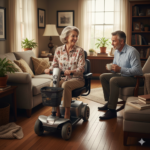
In cramped quarters — narrow hallways, cozy apartments, compact retail floors, or tight storage corners — the need for mobility doesn’t disappear. It just demands a different kind of machine. Enter the compact scooter: a lean, nimble, foldable solution engineered not for highways or open roads, but for tight indoor spaces where agility, portability, and subtlety matter much more than brute power.
In this guide, we’ll dive into what makes a scooter “ideal for indoor spaces,” highlight top picks on the market today, and walk you through how to choose the right model. By the end, you’ll have clarity — and maybe more mobility than you expected.
Why Compact Scooters Shine Indoors
Large scooters and bulky mobility devices often falter once you step into confined spaces: doorways become bottlenecks, furniture becomes obstacles, and storage becomes a headache. Compact scooters — by design — circumvent those hurdles. They bring several inherent advantages:
- Maneuverability & Tight Turning Radius. Scooters built for indoor use often feature three-wheel configurations or specialized steering mechanisms to allow quick, tight turns. That makes navigating narrow hallways, aisles, or corners far easier.
- Portability & Foldability. Many compact scooters can be folded, disassembled, or reduced to a more manageable size — a huge plus when you need to store them under beds, in closets, or corners, or when you want to transport them between rooms or buildings.
- Space Efficiency. Their slim frames often allow them to fit through standard doorways and move around furniture — making them ideal for homes, apartments, malls, offices, or other indoor environments.
- Convenience for Frequent Use. For people who need a scooter for short distances — maybe around a house, small building, or indoor public space — compact scooters offer a convenient, low-effort solution without the hassle of large, heavy vehicles.
Because of these traits, compact scooters have carved a niche in indoor mobility: for seniors, people with limited mobility, urban dwellers, and anyone who values space-saving design without sacrificing functionality.
What to Look For — Key Features & Specs
Before you commit to a model, it’s worth pausing to examine the essential attributes that make a compact scooter truly indoor-ready.
Maneuverability & Wheel Configuration
- Three-wheel vs. Four-wheel: Many indoor scooters employ a three-wheel design because it provides a tighter turning radius — ideal for navigating narrow doorways, corners, and hallways.
- Turning Radius: A smaller turning radius (often 30–36 inches or so for 3-wheelers) enhances agility in tight spaces.
- Tiller / Steering Design: Intuitive, easy-to-manage steering makes a big difference, especially in confined areas where oversteering can lead to collisions.
Size, Weight & Portability
- Compact Dimensions: A slim frame that fits through standard doors and navigates hallways is ideal.
- Weight: Lighter scooters (some as light as ~35–40 lbs) are easier to lift, fold, store, or transport.
- Disassemblable or Foldable Frames: Make storage and transport much easier for homes, apartments, or even cars.
Battery, Range & Performance (if electric)
- Sufficient Range for Intended Usage: For indoor use or short trips indoors/outdoors, a modest battery range (e.g., 6–12 miles) may suffice.
- Power vs. Space Trade-off: Indoor scooters often sacrifice long-range or high-speed motors for compact form factors.
Comfort & Safety Features
- Seat Comfort and Adjustability: Swivel seats, adjustable seats/armrests — these make for ease of getting on/off in tight quarters.
- Stability & Weight Capacity: The scooter must safely support the user’s weight. Typical indoor compact scooters support 250–300+ lbs.
- Ease of Use Controls: Simple, intuitive controls (steering, acceleration, braking) help reduce frustration and increase safety — especially important indoors where reaction time might be limited.
Recommended Compact Scooters for Tight Indoor Spaces
Here are several of the most recommended compact scooters, particularly suited for indoor environments or tight-space navigation. Their differences in size, construction, functionality, and cost provide plenty of options to suit various preferences.
Highlights & Why They Stand Out
- HandyScoot Small Mobility Scooter for Indoor Use — A folding, three-wheeled scooter that balances portability with practicality. Top speed up to 9 mph and a range of up to ~15 miles per charge. Its foldable design and manageable weight make it a suitable candidate for indoor and travel use.
- EV Rider Gypsy Small Indoor Mobility Scooter — Extremely lightweight (≈ 37 lbs), folds down easily, and ideal for indoor mobility or frequent transport (e.g., stairs, car trunks). Its compact build makes it a good everyday indoor companion.
- Go-Go Elite Traveller Compact Scooter — A well-rounded option with solid indoor maneuverability, relatively easy disassembly, and sufficient weight capacity for many users. It suits those who want portability without compromising too much on comfort and Stability.
- Pride i-Go 3-Wheel Folding Mobility Scooter — Compact, foldable, and built with indoor use in mind. Its foldable build allows for quick storage and hassle-free transport, and the three-wheel setup provides smoother handling in narrow or crowded areas.
- SmartScoot Foldable Mobility Scooter — Among the lightest foldable scooters on the market, making it highly portable and easy to store. Great for users living in apartments or small homes, or for frequent mobility without bulky equipment.
- Featherweight Mobility Scooter — Ultra-light design prioritizing portability and storage — ideal for very tight living spaces, frequent transport, or minimal-space lifestyles.
- eFOLDi Lite Mobility Scooter — Combines a lightweight frame with a respectable load capacity, and folds easily for storage or transport. Useful for users needing a balance of convenience, indoor mobility, and everyday reliability.
- Triaxe Sport Compact Mobility Scooter — A slightly sturdier compact scooter that still embraces a slim, space-efficient design. For those wanting a more durable build while staying within the compact-scooter category.
How to Choose — Matching Scooter to Your Needs
Selecting the “right” compact scooter depends heavily on how you intend to use it. Here’s a practical framework to guide your decision:
Usage Environment
Mostly within apartments, homes, offices, or indoor spaces → prioritize foldability, light weight, narrow width, and tight turning radius.
Expect occasional outdoor use (e.g., sidewalks, short errands) → opt for slightly more robust frames and better battery/range.
Mobility & Storage Constraints
Limited storage (closet, under bed, corner room) → choose foldable or disassemblable scooters like the Featherweight, SmartScoot, or EV Rider models.
Need portability (stairs, moving between rooms/buildings, transport in a car) → light scooters (under ~40–50 lbs) or foldable designs.
User’s Weight & Comfort Needs
Always check weight capacity — many compact scooters support 250–300+ lbs.
For frequent daily use, a comfortable seat, stable build, easy controls, and good maneuverability matter more than high speed.
Battery, Range & Frequency of Use
If the scooter will be used indoors or for short trips, a modest range (6–15 miles) may suffice.
For longer or more frequent trips, prioritize models with better battery life, even if they are slightly heavier.
Maneuverability Over Power
For indoor spaces, a tight turning radius and responsive steering trump high speed or outdoor power.
Potential Trade-offs: What You Might Sacrifice
No solution is perfect. Compact scooters — for all their space-efficient brilliance — come with trade-offs.
- Limited Comfort or Suspension: Because of their small frame and lighter build, many compact scooters offer only basic suspension (if any) and limited comfort features. This can make them less comfortable over longer rides or rougher indoor surfaces.
- Reduced Range or Power: Compact/foldable scooters often have smaller batteries and less powerful motors. Not ideal if you plan long rides or frequent outdoor use.
- Less Stability (on Rough Ground): While fine indoors or on smooth floors, compact scooters — exceptionally light three-wheel ones — may wobble or struggle on uneven terrain.
- Fewer Features: To keep size and weight down, manufacturers may sacrifice extras such as advanced suspension, large storage baskets, heavy-duty build, or high-end controls.
Accepting these trade-offs is part of embracing compact scooters: you gain range, portability, and indoor friendliness — but sacrifice some comfort or all-terrain robustness.
Who Benefits Most from Compact Indoor Scooters?
Compact scooters for tight indoor spaces tend to be especially beneficial for:
- Elderly or mobility-challenged individuals who need dependable, easy-to-use devices to navigate homes, apartments, or assisted-living facilities.
- Urban dwellers living in small apartments or condominiums, where storage is limited, and the transport of a regular scooter would be burdensome.
- People needing a portable mobility device for frequent transport (between rooms, buildings, or even vehicles), but still requiring Stability and comfort.
- Temporary use cases (e.g., injury recovery, short-term mobility assistance) where large, expensive devices are unnecessary.
- Space-conscious households or establishments like small shops, clinics, assisted-living homes, or indoor recreation centers, where maneuverability and compact storage are essential.
Maintenance, Safety, and Practical Use Tips
Owning a compact indoor scooter isn’t just about buying — it’s also about using it properly. Here are some tips to ensure longevity and safe use:
| Tip / Consideration | Reason / Benefit |
| Regularly inspect wheels / turning mechanisms | Frequent tight turns can stress wheels or bearings; early checks prevent accidents. |
| Keep battery charged; avoid deep discharge | For electric models, consistent charging prolongs battery life and ensures reliability. |
| Avoid rough surfaces or stairs if not designed for them | Compact scooters often lack suspension or a rugged build — rough terrain can tip or damage them. |
| Use indoors first — take time to get used to steering radius & braking | Indoor spaces leave little margin for error — practice helps build control and confidence. |
| Store in dry, dry-climate spaces | Prevent rust or battery damage from humidity, especially in tropical climates like Manila. |
| Check weight load regularly (especially with cargo or bags) | Overloading may stress the frame or degrade performance over time. |
Should You Use a Compact Scooter in Manila / Urban Asia Context?
Given your likely context — dense urban living, limited indoor space, perhaps shared living quarters — compact scooters make a compelling case. A few reasons:
- Housing in metro areas often means smaller apartments or condos; traditional large scooters become cumbersome to store or move.
- Narrow corridors, small elevators, and limited staircases — compact scooters navigate these with ease.
- For short errands, quick commutes within buildings, or trips to nearby destinations, compact scooters offer a practical alternative to cars or larger vehicles.
- Portability means you can carry them up staircases, into cars or public transport (if allowed), or store them in small corners when not in use.
As long as you choose a model matching your weight, mobility needs, and intended use — and follow safety/maintenance guidelines — compact scooters can transform mobility for urban dwellers.
Cost Breakdown: How Much Should You Expect to Spend on a Compact Indoor Scooter?
While compact scooters are smaller and more streamlined than their full-sized counterparts, their prices vary widely — often surprising buyers who assume “smaller” means “cheaper.” In reality, the cost reflects engineering trade-offs, specialized materials, battery technology, and whether the scooter is built for portability, durability, or all-day indoor use. Understanding these cost tiers can help you avoid overspending while ensuring you choose a model that aligns with your needs.
Entry-Level Compact Scooters ($450–$900)
These models offer the essentials: a basic three-wheel design, modest top speeds (usually 3–4 mph), and limited range. They’re ideal for those who need occasional indoor mobility — navigating a small apartment, moving from room to room, or performing light daily tasks. Foldability may be minimal, and materials tend toward lightweight plastics and simple foam seating.
- Best for: Budget-conscious shoppers, light users, temporary mobility needs.
- Trade-offs: Shorter battery life, minimal comfort features, and limited suspension.
Mid-Range Indoor Scooters ($900–$1,600)
This category represents the “sweet spot” for most users. These scooters typically include better seating, improved maneuverability, tighter turning radii, and more durable frames. Many mid-range compact scooters offer quick-disassembly systems or semi-folding mechanisms that still allow for easy storage in closets or small storage areas.
- Best for: Daily indoor users, seniors who need dependable home mobility, and small-space dwellers.
- Trade-offs: May still lack advanced cushioning or high-weight capacities.
Premium Ultra-Compact & Foldable Scooters ($1,600–$3,400+)
At the high end of the spectrum lie the featherweight and ultra-portable models — scooters engineered for seamless movement in tight indoor spaces and effortless transport outdoors. Many are aircraft-friendly, made with aluminum alloys or carbon-infused frames, and can fold in seconds. Despite their light footprint, some models still deliver impressive speed and range.
- Best for: Users prioritizing portability, travelers, and those with limited strength who need lightweight frames.
- Trade-offs: Higher price, sometimes smaller seating, and limited cushioning due to weight-saving designs.
Hidden Costs to Consider
Small scooters might look like low-maintenance machines, but ownership can introduce a few extra expenses that often catch new users off guard:
- Battery replacements (every 12–24 months) — Lithium-ion batteries last longer but cost more; sealed lead-acid alternatives are cheaper but heavier.
- Tire wear or replacements — Indoor environments can still create friction on non-marking tires.
- Seat upgrades — Cheaper models may benefit from cushioned add-ons for long-term comfort.
- Warranty extensions or servicing — Especially worthwhile if you rely on the scooter daily.
Depending on your needs, these extras could add $60 to $300 per year. However, for frequent users, these costs are often justified by the increased reliability and comfort they provide.
FAQs
Are compact scooters safe to use indoors?
Yes. Compact scooters are designed with tight turning radii and controlled speeds, making them safe for hallways, kitchens, bedrooms, and other indoor spaces when appropriately used.
Can these scooters fit through standard doorways?
Most compact scooters can pass through standard 28–32-inch doorways thanks to their slim frames. Always check the exact width before purchasing.
How long does the battery last?
Indoor-friendly models typically offer 6–15 miles per charge — more than enough for daily home use.
Can compact scooters be used outdoors too?
They can, but only on smooth surfaces like sidewalks or mall floors. They are not ideal for uneven terrain or rough outdoor conditions.
Do foldable scooters lose durability?
Not necessarily. High-quality folding mechanisms are engineered for repeated use, but ultra-lightweight frames may have lower comfort or load capacity.
Are compact scooters easy to store?
Yes. Most either fold or disassemble, allowing storage in small closets, corners, or even under furniture.
Conclusion
We often equate mobility with size: bigger wheels, heavier build, more power. But when it comes to indoor spaces or small-footprint living, that assumption becomes a liability. Compact scooters challenge that notion. They prove — gently, efficiently, and sometimes surprisingly elegantly — that freedom of movement doesn’t require bulk.
If you value agility over raw power, portability over long-haul range, and space-efficiency over ruggedness, compact scooters offer a liberating alternative.
Whether for seniors longing for independence, urban residents craving mobility without clutter, or anyone navigating tight indoor spaces, the right compact scooter can help you rediscover movement on your own terms.
Must-Have Mobility Scooter Accessories for Comfort and Safety: The Complete Guide

<?xml encoding=”UTF-8″>
Mobility scooters have become more than just transportation devices; they’re freedom machines. They offer independence, confidence, and the ability to move through daily life with ease. But a mobility scooter on its own only meets the basics. The fundamental transformation—the leap from “functional” to “comfortable, safe, and truly personal”—comes from the accessories you pair with it. And this is where the world of mobility scooter add-ons gets surprisingly rich.
Whether you’re a long-distance rider who needs all-day comfort, a safety-first shopper preparing for unpredictable terrain, or someone who wants to make daily errands easier, there’s an accessory explicitly engineered for your lifestyle. In this guide, we’ll walk through the must-have mobility scooter accessories that elevate comfort, enhance safety, and create a riding experience tailored to your needs.
Why Accessories Matter More Than You Think
At first glance, accessories can seem like optional extras—nice to have, not essential. But here’s the twist: the right accessories can drastically change your experience. They can prevent discomfort, boost visibility, improve organization, and provide security during every ride. Think of them as the fine details that turn mobility into optimal mobility.
Without accessories, riders often deal with:
- Excess fatigue on longer trips
- Limited storage capacity
- Poor weather protection
- Reduced nighttime visibility
- Struggles carrying oxygen tanks, canes, or personal bags
- Difficulty navigating unfamiliar or crowded areas
With the right upgrades? Those challenges evaporate.
Top Must-Have Mobility Scooter Accessories for Comfort and Safety
Let’s dive into the accessories that make the most significant difference—practical, proven, and designed for real-world use.
Cushioned Seat Upgrades and Supportive Backrests
Comfort begins with the seat. Stock seats on mobility scooters, while functional, aren’t always engineered for long-journey comfort. For users who ride daily or for extended periods, pressure points can become uncomfortable, and discomfort can eventually turn into reluctance to travel.
Best Seat Accessories Include:
- Gel seat cushions: Soft yet supportive, they evenly distribute pressure.
- Memory foam cushions: Ideal for riders needing customized molding comfort.
- Orthopedic backrests: Provide additional lumbar support, reducing strain.
- Seat covers: Soft materials that add both comfort and style.
Why Seat Accessories Matter
A well-padded seat doesn’t just feel good—it reduces fatigue, increases endurance, and can significantly improve posture. For many riders, upgraded cushions become non-negotiable after just one use.
Weather Protection: Canopies, Covers, and Rain Gear
The weather is unpredictable, and nothing derails a trip like sudden rain, intense sunlight, or biting winds. Mobility scooter weather accessories extend your riding season and protect both you and your scooter from the elements.
Top Weather Accessories:
- Scooter canopies: Shield from rain, wind, and UV exposure.
- Rain ponchos designed for scooter riders: Longer fronts that cover your legs and handlebars.
- All-weather scooter covers: Protect the scooter when parked outside.
- Windshields: Reduce wind resistance and shield the face from debris.
How Weather Accessories Boost Safety
Visibility improves when you’re protected from rain and harsh sunlight. A canopy or windshield helps you see the road clearly, reduces distraction, and prevents accidents caused by environmental interference.
Rear-View Mirrors for Awareness and Safety
Rear-view mirrors are often overlooked until you use one—and then you’ll wonder how you ever rode without one. Whether navigating sidewalks, crossing streets, or backing up, visibility is everything.
Types of Rear-View Mirrors:
- Handlebar-mounted mirrors
- Shatterproof safety mirrors
- Wide-angle mirrors for maximum field of view
Why Mirrors Are Essential
Mobility scooters sit lower to the ground, so you’re not always instantly visible to pedestrians, cyclists, or drivers. Mirrors enhance situational awareness, allowing you to spot approaching obstacles without turning your entire body—something that’s especially important for riders with limited neck mobility.
LED Headlights, Tail Lights, and Reflective Add-Ons
If there’s one accessory category that dramatically increases safety, it’s lighting. Many scooters come with basic lights, but “basic” may not be enough for nighttime or early-morning visibility.
Must-Have Lighting Accessories:
- High-intensity LED headlights
- Rear hazard lights
- Reflective tape for night visibility
- Side reflectors and underglow strips
- Flashing beacon lights for busy outdoor areas
How Lights Improve Safety
Good lighting prevents collisions, ensures you’re seen from all angles, and makes low-visibility conditions far safer. For evening riders, enhanced lighting is a non-negotiable upgrade.
Storage Accessories: Baskets, Bags, and Carry-Alls
Mobility scooters need storage solutions—after all, part of independence comes from being able to bring things with you. From groceries to personal items, these storage accessories keep belongings secure and accessible.
Popular Storage Add-Ons:
- Front baskets: Perfect for daily essentials.
- Rear lockable storage boxes: Secure valuables, medications, or electronics.
- Side saddlebags: Add extra storage without bulk.
- Armrest bags: Great for phones, keys, wallets, or snacks.
- Oxygen tank holders: Safely secure medical equipment.
Why Storage Matters
It decreases the chance of objects dropping off your lap, eliminates the need to juggle bags while driving, and promotes safety by keeping the scooter balanced and clutter-free.
Cup Holders, Phone Mounts, and Convenience Accessories
Sometimes it’s the small comforts that make a scooter ride feel easy and efficient. Convenience accessories help personalize your scooter to suit your lifestyle.
Useful Convenience Add-Ons:
- Sturdy cup holders for drinks on the go
- Phone or GPS mounts for hands-free navigation
- USB charging ports
- Keychain accessories for quick access
- Seatback organizers
Why These Extras Matter
They minimise distraction. A secure phone mount prevents dangerous fumbling. A cup holder keeps hydration within reach. And a charging port ensures your essential devices never run out of power on long trips.
Safety Flags for Higher Visibility
Scooters sit below eye level for many drivers and cyclists, making visibility a top priority. Safety flags extend upward, making the scooter easier to spot from a distance.
Benefits of Safety Flags:
- Ideal for outdoor parks, parking lots, and busy sidewalks
- Come in bright colours for high visibility
- Lightweight and easy to install
- Often reflective for nighttime safety
Why Flags Are Essential
If you ride near traffic or crowded pedestrian areas, a tall flag dramatically reduces the chance of being overlooked.
Mobility Scooter Locks and Anti-Theft Devices
Mobility scooters—especially high-end models—can be expensive assets. Keeping them secure matters whether you’re at home or out shopping.
Top Security Accessories:
- U-locks: Strong, nearly impossible to cut.
- Alarm systems: Trigger loud alerts when the scooter is moved or tampered with.
- Electronic key fobs: Prevent unauthorized use.
- GPS trackers: Provide real-time location tracking.
Why Security Enhancers Are Important
Peace of mind. Knowing that your scooter is protected allows you to focus on your day without worry.
All-Terrain Tires and Tire Accessories
For riders who navigate uneven sidewalks, gravel paths, or suburban roads, tire upgrades are game-changers.
Popular Tire Upgrades:
- Pneumatic (air-filled) tyres: Provide smoother rides.
- Solid tyres: Puncture-proof and maintenance-free.
- High-traction tyres: Improve control on loose or wet surfaces.
- Tire repair kits for quick fixes
Why Tires Matter
Better tyres mean better safety, more stability, and improved shock absorption—reducing strain on your back and joints.
Armrest, Footrest, and Handlebar Accessories
These components directly affect how your body interacts with the scooter every second you’re riding.
Comfort Enhancers Include:
- Ergonomic handlebar grips: Reduce hand fatigue.
- Padded armrests: Add comfort during longer rides.
- Adjustable footrests: Provide better leg support.
How These Upgrades Improve Comfort
Proper ergonomics prevent strain and promote better alignment, especially for riders who use their scooters extensively throughout the day.
First-Aid and Emergency Kits
Safety isn’t just about prevention—it’s also about preparation. Having a compact emergency kit ensures you’re ready for unexpected minor injuries or health needs.
Useful Emergency Add-Ons:
- Compact first-aid kits
- Flashlights
- Whistles or personal alarms
- Portable battery banks
- Emergency ponchos
These are small items with a significant impact.
How to Choose the Right Accessories for Your Scooter
With countless accessory options out there, choosing the right ones can feel overwhelming. Here’s a strategy to narrow it down:
Start with Safety
Lighting, mirrors, flags, and locks come first. These offer immediate protection.
Evaluate Comfort
If you ride long distances or daily, prioritize seat cushions, canopies, and ergonomic accessories.
Consider Your Lifestyle
Do you shop often? Add storage.
Ride in unpredictable weather? Get rain gear.
Travel on rough terrain? Tire upgrades are key.
Set a Budget
You don’t need everything at once. Begin with essentials, then expand.
Check Compatibility
Not all accessories fit all scooters, so measure carefully and confirm specs before buying.
Weatherproof Mobility Scooter Clothing for Riders
While canopies and covers protect the scooter itself, riders often need enhanced protection from the elements. Weatherproof clothing designed specifically for mobility scooter use can make outdoor travel more manageable during colder months or rainy weather.
Top Clothing Accessories Include:
- Insulated mobility scooter coats: Longer in the front, designed to drape comfortably without restricting movement.
- Waterproof leg covers: Keep legs dry without bunching or slipping off during rides.
- Thermal gloves with touchscreen fingertips: allow riders to maintain control while still using phones or touchscreen displays.
- Weatherproof hats and scarves: Offer warmth without obstructing visibility or hearing.
Why Rider Clothing Matters
Comfort directly affects confidence. When riders feel warm, dry, and safe, they’re more willing to travel independently—even in challenging weather.
Portable Ramps for Easy Loading and Unloading
A mobility scooter is only helpful if you can access the places you want to go. Portable ramps fill the gap when facing steps, curbs, or uneven elevations.
Best Ramp Options:
- Folding suitcase ramps: Compact, lightweight, and ideal for vehicles or home doorways.
- Threshold ramps: Perfect for small elevation changes.
- Telescoping ramps: Extendable and adjustable for various heights.
Why Ramps Are Essential
They remove obstacles—literally. Ramps are one of the most empowering accessories because they expand where riders can go without assistance.
Battery Enhancements and Charging Accessories
A mobility scooter is only as reliable as its battery. For frequent riders or long-distance travelers, battery-related accessories are crucial.
Popular Battery Accessories:
- Backup batteries: Ensure peace of mind during long trips.
- Fast chargers: Reduce waiting time and keep scooters ready to go.
- Portable power stations: Offer emergency charging capability anywhere.
- Battery cases: Protect batteries from heat, dust, and moisture.
Why Battery Accessories Matter
A powerful battery increases range, reduces anxiety, and enhances safety by preventing unexpected breakdowns far from home.
Anti-Tip Wheels and Stability Accessories
Stability is a significant safety factor, especially for riders navigating inclines or uneven sidewalks. Anti-tip wheels and stability bars help prevent tipping accidents.
Common Stability Solutions:
- Rear anti-tip wheels: Small, but incredibly effective at preventing backward tipping.
- Wide-wheelbase kits: Increase stability on rough terrain.
- Center-of-gravity stabilizers: Improve balance and reduce wobbling.
Why Stability Enhancers Matter
They provide peace of mind—especially for seniors or riders with balance concerns. Stability accessories turn risky routes into comfortable, predictable rides.
FAQs
What accessories are essential for mobility scooter safety?
The most essential safety accessories include lights, mirrors, safety flags, anti-tip wheels, and locks.
How can I make my mobility scooter more comfortable?
Add seat cushions, padded armrests, ergonomic grips, and weather protection, such as canopies or leg covers.
Are mobility scooter accessories universal?
Not always. Some accessories are universal, but others require compatibility with specific scooter models.
Do I need professional help to install accessories?
Most accessories—like baskets, mirrors, and seat cushions—can be installed without professional assistance.
What accessories help with long-distance rides?
Comfort cushions, extended-range batteries, cup holders, storage bags, and better suspension seats improve long-distance travel.
What’s the best accessory for riding in low light?
High-intensity LED headlights and reflective tape provide the best visibility at night.
Is it possible to utilize a mobility scooter in inclement weather?
Yes, with the right gear, like rain ponchos, canopies, windshields, and waterproof storage bags.
Conclusion
Mobility scooter accessories aren’t just extras. They’re enhancements that protect your safety, boost comfort, and make daily travel easier and more enjoyable. From upgraded seat cushions to safety lights and weather protection, each accessory plays a meaningful role in elevating the ride experience.
Whether you’re customizing your scooter for practical needs, personal comfort, or long-term independence, the right accessories turn a basic scooter into a personalized mobility companion—one that adapts to your environment, your routines, and your life.