Uncategorized
The Quietest Mobility Scooters for Smooth, Peaceful Rides

In a world where mobility often equals independence, the hum, whirr, or clatter of a scooter can sometimes intrude on the serenity of a stroll, the hush of a quiet neighborhood, or the gentle ambiance of a library-lined boulevard. That’s why more and more users seek not just mobility scooters, but the quietest mobility scooters — those designed for smooth, peaceful rides. In this article, we explore what makes a scooter “quiet,” the key design and technical features to look for, and how to choose (or build) the ideal setup for noise-averse journeys.
Why “Quietness” Matters: More Than Just Noise
For many riders, a mobility scooter is not merely a tool. It’s an instrument of dignity, freedom, and comfort. And quietness plays a surprisingly significant role in how that instrument feels in everyday life.
- Respect for personal and public space. Imagine wheeling your scooter through a residential street at dusk — a near-silent glide avoids startling neighbors or drawing attention. For those sensitive to noise or living in quiet communities, a low-noise scooter preserves peace.
- Psychological comfort. The absence of rattles, grinding, or harsh electric hum fosters a sense of calm. For people with sensory sensitivities — older adults, those with chronic pain, or simply anyone preferring a gentle ride — silence can make mobility less stressful and more dignified.
- Indoor and shared-space appropriateness. In settings like hospitals, assisted-living facilities, libraries, or shared apartments, quieter scooters help maintain a tranquil environment.
- Smoothness & ride quality correlation. Often, scooters engineered for quiet operation also feature better suspension, balanced motors, and smoother control — contributing to a ride that feels stable, controlled, and “effortless.”
Hence, when you read “quietest mobility scooters,” think of holistic ride quality—not just muted sound, but a smooth, pleasant journey that respects both rider and surroundings.
What Makes a Mobility Scooter Quiet
Quietness in a mobility scooter isn’t magic. It arises from a combination of design choices, mechanical components, and user habits. Below are the most important factors that influence noise levels and ride smoothness.
• Motor type and drivetrain design
A mobility scooter’s motor is at the heart of its operation — and also a significant source of noise. Scooters with well-insulated, brushless electric motors produce far less mechanical noise compared to older or lower-quality motors with exposed gearing or inefficient components. In many noise-level comparisons, the motor type, power delivery, and drivetrain design significantly affect how “silent” the scooter feels.
• Tire type, wheels, and suspension
Tires and wheels — often overlooked — are major contributors to noise. Hard, narrow tires on smooth surfaces generate vibration, clinking, and rumbling. In contrast, scooters equipped with rubberized, non-marking tires, shock absorption, and suspension systems dampen vibrations, absorb bumps, and generate a quieter, smoother ride.
Suspension also reduces the “jarring” effect when hitting uneven pavements, which, for many seniors or people with mobility sensitivities, translates to a more comfortable, stable ride.
• Build quality, frame & stability
Scooters with a robust frame, stable base (often four wheels for better balance), and a low center of gravity tend to vibrate less and produce fewer rattles, especially on uneven surfaces. This improves both noise levels and overall ride quality.
• Battery and electronics design
Modern scooters using high-quality batteries (often lithium-ion instead of sealed lead-acid) — combined with good electrical/electronic design — minimize whining or buzzing during acceleration or under load. Moreover, efficient batteries can enable smoother power delivery, resulting in quieter, more consistent performance rather than sudden jerks.
• Maintenance, tire pressure & user habits
Sometimes noise isn’t about poor design, but wear and tear. Under-inflated tires, loose parts, old bearings, or poorly lubricated components can all produce extra noise. On the user side, smooth, deliberate acceleration that avoids abrupt starts/stops also reduces noise and improves comfort.
• Use environment & terrain
Terrain matters. Scooters that perform quietly on smooth pavements may still be noisy on rough concrete, cobblestones, gravel, or sloped roads. Indoor vs. outdoor use, ground type, and typical travel paths should guide your scooter selection.
Types of Mobility Scooters & Their Noise/Comfort Implications
Not all mobility scooters are built equally — and the kind you choose significantly affects the quietness and smoothness of your ride. Understanding the main types helps narrow down which scooters have the potential to be quiet and peaceful.
Travel / Portable / Folding Scooters
- Pros: Typically lightweight, easy to disassemble and transport, ideal for car trunks, flights, or small spaces. Suitable for people who travel occasionally or live in compact homes.
- Cons: Because of their lightweight build and compact design, they often have smaller wheels, simpler suspension, and lighter motors — which can translate into a bumpier or slightly noisier ride, especially outdoors.
These are best for indoor use or smooth pavement — less ideal if quietness over rough terrain is the goal.
Mid-size / Standard Scooters
- Pros: Generally strike a balance between portability and comfort. Equipped with better motors, decent suspension, and a stable wheel base. Suitable for everyday errands, shopping, and moderate outdoor use.
- Cons: May still feel stiff on very uneven terrain; weight and size make them less transportable than folding models.
For many users seeking quiet, smooth rides around town — shorter trips, errands, visits — this segment offers some of the best value.
Heavy-Duty / Outdoor / All-Terrain Scooters
- Pros: Built for stability, stronger motors, enhanced suspension, and robust tires — capable of traversing uneven pavements, slight inclines, and mixed terrain. Often ride smoothly and quietly over rough surfaces because of their build quality.
- Cons: Generally large, heavy, not easy to disassemble or transport; overkill for purely indoor or smooth-surface use.
If you want quiet reliability outdoors — say, a peaceful stroll in a park, neighborhood roads, or even light off-road — this is the type to consider.
What to Look for When Shopping: Quietness & Ride Quality Checklist
If “quietest” is your priority, here’s a checklist of features and specs to scrutinize before buying. Think of it as a silent-ride manifesto:
- Brushless/motor-efficient drivetrain — brushless electric motor + good insulation = minimal mechanical whine.
- Soft, non-marking tires + suspension or shock absorbers — smooth out terrain noise & vibration.
- Sturdy, stable frame with 4-wheel base (or well-engineered 3-wheel design) — prevents rattling and ensures balance.
- High-quality battery & electronics — avoid buzzing or intermittent hum during acceleration or sustained movement.
- Comfort-focused seating & ergonomics — padded or adjustable seats, good legroom, and armrests contribute to smooth ride comfort (less bouncing).
- Good turning radius (for indoor use) — if planning indoor use, a tighter turning radius improves manoeuvrability without jerky motions.
- Weight capacity and ground clearance suited to your needs — ensures motor isn’t overworked (which can cause noise), and ground clearance handles small obstacles smoothly.
- Ease of maintenance/availability of spare parts — a well-maintained scooter runs quieter and lasts longer.
Also, it’s worth assessing where and how you plan to ride —indoor hallways, smooth sidewalks, or mixed outdoor terrain—because context shapes “quietness” in real life.
Top Considerations Before Buying: Ask These Questions
Before you commit, reflect on the following — they often make the difference between “decent” and “ideal, quiet, smooth ride”:
- Where will you mainly use the scooter? Indoors? Pavements? Parks? Uneven terrain? — This affects what kind of scooter (travel, mid-size, heavy-duty) you should pick.
- What kind of surfaces and terrain do you encounter? Smooth, flat floors vs. uneven pavements or gravel — suspension, tires, and motor strength matter differently for each.
- How portable do you need it to be? If you travel often, a disassembly or foldable design matters, but these often sacrifice ride smoothness.
- What is your weight and comfort requirement? Heavier users or those needing more legroom and durable seats need sturdier models with higher weight capacity.
- Do you value battery life and range? Longer rides mean greater reliance on the battery and motor, which should be efficient enough to stay quiet.
- Will you store, transport, or travel with it? Folding/disassemblable scooters trade ride quality for convenience — choose based on lifestyle and priorities.
- What maintenance and after-sales support is available? A neglected scooter quickly loses its smooth, quiet character.
Answering these honestly helps narrow down to scooters that truly deliver peaceful, comfortable motion.
Mistakes to Avoid: What Makes Scooters Noisy or Uncomfortable
Even a “premium” scooter can lose its serenity if you don’t watch out for common pitfalls. Here’s what to avoid:
- Old or worn tires — cheap, hard, or deflated tires cause vibration, noise, and poor comfort.
- Ignoring suspension and wheel alignment — misaligned wheels or absent suspension turn small bumps into jolts and noise.
- Overloading weight capacity — exceeding the recommended weight can strain the motor and suspension, causing whining or grinding under load.
- Poor maintenance — loose bolts, worn bearings, damaged gears, or drained batteries — degrades performance and increases noise levels.
- Buying solely on portability — ultra-light scooters sacrifice suspension, wheel quality, and often ride comfort.
If you avoid these mistakes, you preserve not just quietness — but reliability, longevity, and rider dignity.
Who Benefits Most from Quiet Mobility Scooters
Quiet, smooth mobility scooters are particularly beneficial for:
- Seniors or individuals with mobility limitations who value comfort, stability, and a gentle ride.
- People living in shared housing or quiet neighborhoods — noise-sensitive environments make quiet scooters a courtesy to others.
- Users with sensory sensitivities — those who find loud motors or vibrations uncomfortable or distressing.
- Frequent but short-distance riders — even small errands become more pleasant with smooth, quiet rides.
- Anyone desiring dignity and discretion — for many, a scooter is more than mobility: it’s about independence with grace.
In short: when mobility meets mindfulness.
FAQs
What makes a mobility scooter “quiet”?
Quiet scooters use brushless motors, quality suspension, soft tires, and stable frames that reduce vibration and mechanical noise.
Are heavier scooters quieter than lightweight models?
Often, yes. Heavier, mid-size, or heavy-duty scooters absorb vibration better and include superior suspension systems.
Do tires affect noise levels?
Absolutely. Soft, air-filled, or rubberized tires minimize vibration and rolling noise compared to rugged plastic wheels.
Which type of scooter is best for peaceful outdoor rides?
Heavy-duty or mid-size models typically offer the smoothest, quietest performance outdoors.
How can I keep my scooter running quietly?
Maintain correct tire pressure, keep bolts tightened, service the motor, and replace worn parts regularly.
Comparison Table: Quiet Ride Features
| Feature Category | What It Affects | Quietest Option | Why It Matters |
| Motor Type | Mechanical hum & vibration | Brushless electric | Runs cooler and smoother with minimal noise |
| Tires | Rolling noise | Soft, air-filled, or rubberized | Absorbs bumps for quieter travel |
| Suspension | Ride smoothness | Full front + rear suspension | Reduces jolts and rattles |
| Frame Construction | Stability & vibration control | Heavy, reinforced frame | Keeps the scooter steady and silent |
| Battery Type | Electrical noise & power delivery | Lithium-ion | Smooth, consistent power with less motor strain |
| Terrain Compatibility | Noise level during use | Pavement / smooth sidewalks | Rough surfaces increase noise output |
| Weight Capacity | Motor strain | Rider weight within limits | Prevents loud straining or gear noise |
Conclusion
A mobility scooter that glides — not grinds; that whispers rather than whines — is more than a convenience: it’s a statement of dignity, of comfort, and of respect for self and surroundings. Choosing the quietest scooter isn’t about vanity. It’s about preserving peace — inner and outer.
A well-designed, properly maintained mobility scooter can transform everyday errands, visits, or walks into moments of calm. Whether you’re navigating a bustling street or a quiet park lane, the difference between a soft hum and a harsh grind can shape your entire experience.
So, when you shop next, don’t just check speed, battery, or price. Listen. Think about suspension, tires, motor type, maintenance, and build. Because quietness isn’t accidental — it’s intentional engineering.
And in the hum of the modern world, that silence can be beautiful.
The Top Signs You’re Ready to Upgrade Your Mobility Scooter
Mobility scooters deliver something far more valuable than simple transportation—they provide independence. Freedom. Control over your day-to-day life. When a scooter is performing at its best, you barely think about it; it simply supports you the way a reliable companion should. But as time passes, even the most dependable mobility scooter starts showing signs of wear, strain, or inefficiency, often so slowly that many users don’t realize just how much they’re compensating for a machine that’s past its prime.
Upgrading isn’t just about “getting something new.”
It’s about reclaiming ease, safety, and confidence—along with features modern scooters now offer that didn’t even exist a few years ago. If you’re wondering whether now is the right moment to upgrade, you’re likely already noticing the warning signs. Some are subtle. Others are impossible to ignore. And some are so common among long-term scooter owners that they often get dismissed as “normal.”
This guide breaks down the most important signs —from mechanical red flags to comfort issues and safety concerns to lifestyle changes that make an upgrade not just helpful but necessary.
Let’s explore the top indicators that your mobility scooter is ready for retirement, and how to confidently move toward an upgraded ride that fits your current needs.
Your Battery Life Has Dramatically Declined
Battery degradation is one of the first signs that your scooter’s lifespan is nearing its end. In the early days, your scooter might have carried you effortlessly for miles without a single worry. Fast forward a few years, and that same scooter barely lasts through a quick errand.
When battery performance declines, it’s not just inconvenient—it can be risky. A trip you’ve completed hundreds of times becomes unpredictable. You begin planning your days around whether the scooter will make it through the journey. Charging becomes a chore rather than a routine.
Sure, batteries can be replaced, but when declines happen even with fresh or relatively new batteries, it’s a sign the internal power system is wearing down. Motors rely on healthy voltage. Aging circuits draw more power—the entire electrical system strains.
If you find yourself constantly monitoring how far you can go or anxiously checking the battery gauge, your scooter is no longer supporting you.
You’re supporting it.
That’s the perfect moment to consider a modern upgrade—especially now that newer scooters offer extended-range lithium-ion technology, faster charging, and far more reliable power.
Your Scooter Feels Slower Than It Used To
Speed might not sound like a big deal—until your scooter moves so sluggishly that it disrupts your normal flow or makes outdoor travel difficult. Slowing down could indicate:
- Motor fatigue
- Worn gears
- Electrical resistance
- Overall mechanical aging
Even if the scooter still “runs,” a noticeable decline in speed is more than a performance issue. It’s a safety issue. When a scooter cannot accelerate properly, maintain a consistent speed on inclines, or maneuver quickly around obstacles, the rider becomes vulnerable.
If your scooter no longer keeps up with your lifestyle or pace, the machine is signaling something loud and clear:
It’s time to transition into a model that matches your mobility needs today—not the ones you had years ago.
You’re Experiencing Frequent Repairs (And The Bills Keep Adding Up)
One repair every few years is routine.
But when your scooter becomes a revolving door of fixes—new tires here, rewiring there, constant adjustments, battery swaps, odd noises—it’s no longer cost-effective.
Think of it this way:
If you’re spending more on repairs in a year than the cost of a down payment on a new scooter, the math is already working against you.
Frequent repairs often indicate aging components across the internal structure:
- Controllers nearing failure
- Suspension wearing unevenly
- Wiring becoming brittle
- Brake components are losing responsiveness
At this stage, every fix is temporary. Each repair is a bandage on a problem that will inevitably resurface. Instead of pouring money into an aging device, upgrading ensures long-term reliability—and peace of mind.
Your Comfort Is Diminishing (Soreness, Stiffness, or Fatigue)
Comfort isn’t a luxury.
It’s essential.
Mobility scooters should support your posture, reduce joint strain, and provide a smooth, cushioned ride. But with time, seats flatten, padding stiffens, and suspension systems lose their ability to absorb bumps.
If you’re feeling:
- Back pain after longer trips
- Tailbone soreness
- Shoulder tension
- Arm or wrist fatigue from handling controls
…then your scooter is no longer ergonomically aligned with your body.
Modern mobility scooters prioritize comfort at a whole new level: orthopedic seating, customizable armrests, advanced shock absorption, adjustable steering columns, and swivel seats that make getting on and off easier.
If riding your scooter feels more taxing than it used to, it’s a sign your body needs something designed for your comfort today—not ten years ago.
You No Longer Feel Safe While Riding
Safety issues should never be ignored, and they often manifest gradually:
- Jerky acceleration
- Soft or inconsistent braking
- Wobbly steering
- Unsteady balance on inclines
- Rattling parts
If any of these feel familiar, the structural integrity of your scooter may be compromised.
Even if the scooter “technically” works, a decline in stability, control, or predictability increases the chances of an accident. And with newer models offering enhanced braking systems, anti-tip technology, reinforced frames, and improved traction, keeping an outdated scooter is unnecessary.
When your confidence is shaken—even slightly—it’s time to upgrade.
Your Mobility Needs Have Changed Over Time
You may have begun using a scooter mainly indoors, but now you need something for longer outdoor trips. You may have transitioned from short daily errands to frequent outings or even travel. Your original scooter might have been perfect for old routines, but inadequate for your life today.
Common changes include:
- The need for more range
- The need for a higher weight capacity
- More rugged tires for outdoor terrain
- Better suspension for rough ground
- A scooter that can be disassembled for transport
- A model with a faster top speed
Mobility isn’t static.
Your lifestyle evolves—and your scooter should evolve with you.
You’re Interested in Modern Features Your Current Scooter Lacks
Today’s mobility scooters include features that dramatically improve convenience, safety, and user experience:
Modern upgrades may consist of:
- Digital control panels
- USB charging ports
- LED headlamps and hazard lights
- Dual suspension systems
- Swivel captain’s chairs
- Anti-rollback protection on inclines
- Finger-touch control systems
- Long-range lithium batteries
- Folding or airline-approved designs
If you find yourself wishing your scooter had the capabilities of newer models, that’s a sign your current ride is becoming outdated.
Sometimes the desire for updated technology isn’t a luxury—it’s a logical response to what’s now standard in modern mobility devices.
You’re Struggling More in Uneven or Challenging Terrain
If you’ve noticed that slight inclines feel steeper than before, or the scooter struggles on grass, gravel, or uneven sidewalks, it’s often because:
- The motor is weakening
- The torque output is decreasing
- The tires have worn down
- The suspension isn’t performing
Once terrain becomes a challenge, riding ceases to feel empowering and becomes restrictive.
Newer models often excel in off-road handling, hill climbing, and stability—giving you freedom to explore the places you’ve been avoiding because your old scooter can’t handle them anymore.
The Scooter No Longer Fits Your Body or Physical Condition
Bodies change.
Comfort levels change.
Strength, posture, and balance can shift significantly over time.
Perhaps:
- Turning the tiller now strains your arms
- Getting on and off feels harder
- Sitting for long periods causes aches
- You need a wider seat or firmer suspension
Mobility scooters aren’t one-size-fits-all. If your scooter doesn’t fit you anymore, you’re not imagining it—your body is telling you it’s time for something more supportive and ergonomic.
Your Current Scooter Doesn’t Make You Feel Confident Anymore
Confidence is often overlooked, but it’s arguably the most critical factor.
If you find yourself:
- Avoiding longer trips
- Second-guessing your scooter’s reliability
- Feeling nervous about outdoor use
- Planning errands around mechanical limitations
…then the scooter is no longer serving you emotionally or practically.
A mobility scooter should make your life easier—not smaller.
Upgrading restores confidence, independence, and a sense of freedom that older devices can slowly erode without us noticing.
Replacement Parts Are Hard to Find (or Are Being Discontinued)
When manufacturers stop producing parts for older models, keeping the scooter running becomes frustrating and costly. The lack of compatible parts is often a final, definitive signal that an upgrade is the smartest path forward.
If your local repair shop hesitates when you mention your model, or if online searches only return “out of stock” notices, that’s your cue.
How to Choose Your Next Mobility Scooter
Once you decide it’s time to upgrade, here’s what to consider:
Range
Choose a scooter that supports your most extended regular trips with extra cushioning.
Weight Capacity
Make sure it fits your weight comfortably with room for added items like bags or oxygen tanks.
Usage Environment
Indoor? Outdoor? Both? Travel? Off-road?
Comfort Features
Prioritize adjustable seating, suspension, armrests, and ergonomic controls.
Portability
Do you need a foldable or disassembling model?
Battery Type
Lithium offers longer life, lighter weight, and faster charging.
Maneuverability
Think turning radius, handlebar type, and overall size.
Warranty and Support
Select a brand with strong customer service and readily available replacement parts.
The Emotional Benefits of Upgrading to a New Mobility Scooter
Most people focus on the mechanical signs that it’s time to upgrade. Still, there’s another dimension—one that’s rarely discussed yet deeply impactful: the emotional transformation that comes with moving into a mobility scooter that feels safe, modern, and effortless.
Mobility isn’t just physical.
It has a powerful psychological component, too.
As your scooter ages, minor frustrations accumulate. The uneven steering may make you tense up. Perhaps the fading battery creates a low-level anxiety that shadows every outing. Or the uncomfortable seat leaves you feeling more exhausted than energized after what should be a simple ride.
These emotional cues are just as important as mechanical ones. When your mobility scooter becomes a source of stress, hesitation, or self-consciousness, it’s no longer supporting your confidence—it’s slowly eroding it.
Upgrading to a new scooter can feel like reclaiming a part of yourself.
Here’s how a modern mobility scooter improves emotional well-being:
Increased Confidence in Public Spaces
A smoother, more responsive scooter makes navigating crowded areas easier, safer, and more predictable. With better control, you move through public spaces with renewed assurance.
More Freedom to Say “Yes” to Activities
When your scooter is reliable, you stop declining invitations, stop worrying about distance, and start enjoying the spontaneity you may have lost along the way.
A Sense of Pride in a Sleek, Modern Design
Today’s scooters look dramatically different from older models. Stylish bodies, LED lighting, and ergonomic features make riders feel good about the scooter they’re using—some even feel excited to show it off.
Reduced Stress and Mental Load
There’s a quiet burden that comes with riding equipment you don’t entirely trust. Upgrading eliminates that constant mental checklist—Will it make it up this hill? Will the battery last? Why is it making that noise?
A new scooter brings peace of mind.
Greater Sense of Independence
When your mobility device works with you, not against you, you regain autonomy. You’re not waiting on anyone to give you a ride or fix a breakdown. You can go.
More Joy in the Journey
With better suspension, responsive controls, and greater comfort, riding stops feeling like a chore and starts feeling—dare we say—pleasant. Some people even rediscover the joy of being outdoors.
FAQs
How long does a mobility scooter usually last?
Most mobility scooters last 3–5 years, depending on usage, maintenance, and battery quality.
When should I upgrade my mobility scooter?
You should upgrade when you notice declining battery life, frequent repairs, reduced speed, comfort issues, or safety concerns like shaky steering or weak brakes.
Is it better to repair or replace an old scooter?
If repairs are becoming frequent or expensive, replacing the scooter is usually more cost-effective.
How often should I replace my scooter’s battery?
Typically, every 1–2 years, though high-quality lithium batteries may last longer.
What features should I look for in a new mobility scooter?
Look for better range, stronger motor, improved suspension, comfortable seating, LED lighting, and modern controls.
Conclusion
Deciding when to upgrade your mobility scooter is deeply personal. But once the signs appear—declining battery life, uncomfortable rides, safety concerns, or a scooter that simply no longer aligns with your lifestyle—the decision becomes not just practical, but empowering.
A new scooter isn’t just a purchase.
It’s an investment in comfort, freedom, and quality of life.
You deserve a mobility device that supports your journey—not one that holds you back.
Top Folding Mobility Scooters for Easy Travel and Storage
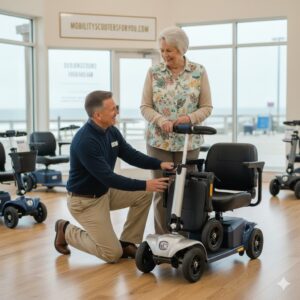
In a world where mobility and independence matter more than ever, folding mobility scooters have emerged as quietly transformative devices — blending practicality, portability, and dignity. For many individuals with mobility challenges, these compact scooters offer far more than merely “getting around.” They unlock freedom: the freedom to explore, visit friends or family, shop, travel, and reclaim autonomy.
But not all scooters are created equal. As demand surges, so does variety from ultra-lightweight commuters to rugged four-wheelers built for outdoor travel. The right foldable mobility scooter must balance portability, comfort, safety, and usability.
This article explores why folding mobility scooters have become indispensable for travel and storage, delves into the features to look for, and highlights several top models on the market today for varied needs — whether you’re a frequent traveller, a city-dweller with limited storage, or someone seeking ease of use.
What Is a Folding Mobility Scooter?
A folding mobility scooter is, at its core, a battery-powered mobility aid deliberately engineered to fold — or collapse — into a compact form. Unlike traditional, full-size mobility scooters that are large, heavy, and cumbersome to transport, a foldable scooter can often be tucked into a car trunk, stored under a bed, or carried onto public transport without special equipment.
These scooters differ in two significant ways:
- Portability and Size: They are constructed from lighter materials (aluminium, lightweight alloys, reinforced plastics) and designed so that their frames compress or fold via hinges, latches, or automatic mechanisms.
- Simplified Storage and Transport: Once folded, they occupy minimal space and can be stored in compact environments — such as small apartments, car trunks, or closets — or easily transported for air, train, or rideshare travel.
Because of these features, folding mobility scooters serve as a bridge between “need for mobility assistance” and “desire for flexibility and independence.”
Why Folding Mobility Scooters Are Gaining Popularity
Portability & Travel-Readiness
One of the strongest appeals of foldable mobility scooters is their portability. For many users — seniors, post-surgery patients, people with chronic mobility limitations — the ability to fold their scooter and bring it along for travel, errands, or family visits is life-changing. Foldable units are often light enough to lift, carry, or store without special equipment.
Furthermore, many of these scooters are suitable for multiple modes of transport: cars, buses, trains, even airplanes or cruise ships (depending on the battery type and airline regulations).
Space-Saving & Easy Storage
For people living in small apartments, houses with limited storage, or anyone who wants to keep their living space clutter-free, foldable scooters make a big difference. When not in use, they can be tucked away under furniture, in closets, car trunks, or compact storage spaces — unlike traditional scooters that require large storage areas.
Independence & Flexibility
The most crucial benefit is intangible: independence. For users with mobility challenges, these scooters restore the ability to move freely without constantly depending on others. Whether it’s going to the grocery store, visiting a friend, or travelling to a new city, folding mobility scooters enable self-reliance and dignity.
Versatility: Indoor & Outdoor Use (Within Limits)
While many foldable scooters are primarily designed for smooth surfaces — malls, sidewalks, airports — there are models tailored for more challenging terrain, offering better wheels, higher ground clearance, or stronger frames.
However, users must recognize the tradeoffs. Folding scooters typically have lower suspension, lower ground clearance, and a less robust build than heavy-duty scooters, which can limit performance on rough terrain or uneven surfaces.
Key Features to Evaluate When Choosing a Folding Mobility Scooter
Before diving into specific products, it helps to understand what makes a folding scooter stand out — or fall short. Here are the critical attributes to consider:
Weight & Portability
- Look for scooters under ~50–70 pounds if frequent lifting or transportation is required.
- Consider whether the unit allows battery removal — removable batteries make it lighter and easier to carry.
Folding Mechanism: Manual vs Automatic
- Manual Folding: Requires some physical effort — may be fine for users with sufficient strength, often more budget-friendly.
- Automatic Folding: It is much simpler to operate; anyone with limited hand strength or mobility will find it ideal since it opens and closes with the touch of a button or key fob.
Battery Life & Range
- Most folding scooters offer a typical range of 8–15 miles per charge (varies by model, battery type, and terrain).
- If you plan frequent outings or longer journeys, opt for higher-capacity lithium-ion batteries and pay attention to charging time and ease of recharging.
Comfort & Ergonomics
- Ride comfort is enhanced by features such as adjustable seats, footrests, armrests, and suspension, particularly on longer trips.
- Maneuverability (a tight turning radius) matters for indoor use or for navigating crowded spaces.
Stability & Safety
- Four-wheel designs generally offer better stability than three-wheel versions (especially on uneven ground).
- Anti-tip features, reliable brakes, solid frame materials, and suitable weight capacity (matching the user’s body weight) are essential.
Portability vs Performance Tradeoff
- Lighter, more compact scooters are easier to transport and store — but often sacrifice ride smoothness, ground clearance, and ruggedness.
- If you expect rough terrain, longer rides, or heavier loads, you may need to sacrifice some portability for a sturdier build and better performance.
Budget & Value
- Folding scooters vary widely in price depending on features, build quality, range, and brand.
- Consider long-term value — battery replacement cost, maintenance, durability — rather than just upfront price.
Top Folding Mobility Scooters Worth Considering
Here are some of the top-rated folding mobility scooters as of 2025, each geared toward slightly different user needs — frequent travelers, everyday users, or those needing maximum portability.
Quick Highlights
- EV Rider Auto Fold 4-Wheel Mobility Scooter — Possibly the most convenient foldable scooter on the market for frequent travelers. Its automatic folding mechanism (fold/unfold with a button press) makes it highly user-friendly, especially for users with limited hand strength or mobility. When folded, it becomes compact enough for most car trunks or closets — ideal for those always on the go.
- Enhance Mobility Transformer 2 Folding Scooter — A balanced pick for those who want a durable, reliable scooter that remains portable. It combines respectable weight capacity and decent range with ease of folding and moderate portability — a strong compromise between portability and sturdiness.
- Golden Technologies Buzzaround CarryOn Folding Scooter — A top choice for users seeking stability and portability on a budget. Its “fold-flat” technology lets it collapse to a very compact size, and removal of the seat can make it light enough for easier transport — ideal for apartments, small storage spaces, or frequent car trips.
- Pride i-Go Folding Mobility Scooter — A versatile mid-range scooter offering a combination of portability, comfort, and value. Suitable for everyday use — shopping, short commutes, errands — with a weight capacity and battery life that balance convenience and performance.
- FreeRider Luggie Standard Folding Scooter — A solid budget-friendly folding scooter. For users new to mobility scooters or those needing a simple, easy-to-store device for occasional use, this model offers reasonable portability and basic functionality at a reasonable price.
- HandyScoot Travel Folding Mobility Scooter — Among the lightest scooters around, this is ideal for those who prioritise maximum portability — especially frequent flyers or users who often need to carry the scooter —and is a good option for light errands, travel, or quick trips.
- iLiving i3 Folding Mobility Scooter — A compact travel-friendly scooter with a respectable battery range, suitable for regular outings, errands, or indoor use. Its simpler folding design and balanced feature set make it a middle-ground choice for users who want portability without going ultra-light.
- So Lite Mobility Scooter by Journey — For absolute portability lovers, this ultra-lightweight scooter may be the easiest to carry and store. Perfect for small spaces, frequent travellers, or users who want a scooter that disappears into a closet or car trunk when not in use.
How to Choose the Right Folding Mobility Scooter for You
Deciding among these options — or others you find — boils down to your personal lifestyle, needs, and priorities. Here’s how to approach the choice:
- Frequent travel / frequent transport? → Opt for a lightweight, fold-flat, or auto-fold scooter (like the EV Rider Auto Fold, So Lite, or HandyScoot). The ease of folding/unfolding and portability will matter most.
- Need everyday comfort & moderate portability? → Balanced models like the Transformer 2, Pride i-Go, or iLiving i3 deliver a good mix of usability, comfort, and convenience.
- Budget-conscious, occasional use, or small-space home storage? → Smaller, simpler scooters like the FreeRider Luggie or Buzzaround CarryOn offer essential mobility at a lower cost, without overwhelming bulk.
- Expect to travel outdoors or need stability on uneven terrain? → Prioritise sturdier builds, 4-wheel models, larger tires, and good suspension — even if that means sacrificing some portability.
Also, always check the manufacturer’s specs for weight capacity, battery range, folding method, and real-world folded dimensions. These details often make or break daily convenience.
Typical Tradeoffs & What to Watch Out For
No product is perfect — and folding mobility scooters are no exception. Awareness of tradeoffs helps avoid buyer’s remorse.
- Portability vs Stability: Lighter scooters are easier to carry — but often less stable, with lower ground clearance and weaker suspension. That means rough terrain, bumps, or uneven sidewalks may be uncomfortable or unsafe.
- Battery Life vs Size/Weight: Smaller scooters — especially ultra-light models — tend to have lower-capacity batteries, meaning shorter range per charge, which can be a problem for frequent users.
- Comfort vs Compactness: Compact scooters often have smaller seats, fewer comfort features (less suspension, more straightforward controls). For short errands, it’s fine; for prolonged rides — maybe not.
- Durability and Load Capacity: Most folding scooters have a weight limit (commonly 250–300 lbs). If a user is near that limit or needs a sturdier build, a folding scooter may not be ideal.
Maintenance, Care & Safety Tips
To ensure your folding mobility scooter remains reliable and safe for years, consider the following:
- Battery care: Charge regularly, avoid deep discharges, and, if removable, store the battery separately when not in use. This prolongs battery life and reduces degradation.
- Check folding mechanism regularly: Hinges, latches, or automatic fold motors should be inspected periodically — especially if you travel often or fold/unfold frequently.
- Tire and wheel maintenance: Keep tires inflated (if pneumatic) or free of debris. Worn or damaged wheels can compromise stability, especially in 4-wheel models.
- Seat/comfort adjustment check: Ensure seat height, armrests, and footrests remain secure; loose parts can affect ergonomics or safety.
- Avoid misuse on rough terrain: Foldable scooters are usually optimized for smooth surfaces — sidewalks, malls, airports — not off-road or heavily uneven paths.
By properly maintaining the scooter and using it within its intended design limits, you maximize safety and lifespan.
Are Folding Mobility Scooters Right for You?
A folding mobility scooter isn’t a one-size-fits-all solution. But for frequent travellers, seniors, those living in smaller dwellings, or anyone wanting mobility without sacrificing portability, it can be life-changing.
You might benefit if:
- You travel often (by car, bus, train, and air) and need a scooter you can pack efficiently.
- You live in a small apartment or space-constrained home.
- You value convenience and independence — not just mobility, but freedom.
- Your daily use involves smooth indoor/outdoor surfaces (shopping malls, sidewalks, urban surroundings).
You might want to reconsider if:
- You frequently traverse rough terrain, cobblestones, grassy or uneven ground.
- You need maximum stability or support (especially if near the upper limit of the scooter’s weight capacity).
- You prefer comfort and long-range over portability — traditional, larger mobility scooters might suit you better.
Conclusion
Folding mobility scooters stand at the intersection of necessity and convenience — bridging the gap between mobility assistance and independent living. With thoughtful selection, one can enjoy the freedom to move, travel, and live on one’s own terms.
Whether you’re a frequent traveler seeking a compact companion, a city-dweller with limited storage, or someone needing easy mobility for errands and outings, there’s likely a foldable scooter tailored to your lifestyle.
Because mobility is more than just movement: it’s dignity, independence, and control. And for many, a foldable mobility scooter restores just that.
3-Wheel vs. 4-Wheel Mobility Scooters: Which Is Better for You?

When it comes to mobility scooters, choosing between a 3-wheel model and a 4-wheel one isn’t just a matter of counting wheels. It’s a decision that can shape your everyday freedom — whether you’re weaving through narrow hallways, cruising on uneven sidewalks, or loading the scooter into a car for a day out. In this guide, we peer into all the critical angles — maneuverability, stability, terrain, comfort, portability, and lifestyle fit — so you can decide which scooter truly deserves a place in your life.
Why the Wheel Count Matters — Not All Scooters Are Created Equal
At first glance, a mobility scooter may look like a simple machine: a seat, a tiller or handlebars, a motor, and wheels. But the number of wheels changes the geometry — and with it, the ride, the comfort, and the vibe.
- A 3-wheel scooter typically has two rear wheels and a single front wheel. This configuration influences the turning radius, weight distribution, legroom, and portability.
- A 4-wheel scooter adds a second wheel at the front — giving a more balanced base, better ground contact, and enhanced stability — but also altering size, weight, and maneuverability.
Because of these geometric differences, 3-wheel and 4-wheel scooters tend to shine in different contexts. Understanding those contexts is key. Let’s break down the tradeoffs.
Pros & Cons: What 3-Wheel Scooters Do Best (and Where They Fall Short)
Strengths of 3-Wheel Scooters
- Tighter Turning Radius & Enhanced Manoeuvrability
- Because they have just one front wheel, 3-wheel scooters can pivot sharply and navigate narrow or crowded spaces with ease — think apartments, elevators, mall aisles, or compact home interiors.
- More Legroom & Comfort for Some Riders
- The absence of dual front wheels often means there’s more unobstructed legroom. For taller users or people with knee/hip discomfort, that extra foot space can make a big difference in comfort.
- Lighter Weight, Better Portability
- Generally, 3-wheel scooters are lighter and more compact. That makes them easier to lift into a car trunk or transport — a boon if you travel, commute, or regularly move your scooter around.
- Indoor & Smooth-Surface Friendly
- On level indoor flooring or smooth sidewalks, 3-wheel scooters glide comfortably. Their agility feels natural and effortless when there’s no rough terrain to challenge them.
- Often More Budget-Friendly (Depending on Model)
- Because of simpler design and fewer components, many 3-wheel scooters tend to cost less than heavy-duty 4-wheel models — making them appealing if you want mobility without overspending.
Limitations of 3-Wheel Scooters
- Less Stability on Uneven or Rough Surfaces
- With one front wheel, 3-wheel scooters are more prone to tipping or wobbling — notably on grass, gravel, cracked pavements, inclines, or unexpected bumps.
- Reduced Suitability for Outdoor / Long-Distance Use
- Their design and stability constraints make them less ideal for repeated outdoor use, long walks, or rough terrain. For some, battery capacity and suspension may also be limiting if the scooter is pushed beyond smooth surfaces.
- Lower Weight Capacity (Often)
- Many 3-wheel scooters are not built for heavy loads or heavier riders, which may limit their usefulness depending on a user’s weight or the amount of cargo they expect to carry.
- Potential Safety Concerns on Slopes, Hills, or Uneven Terrain
- For users with balance issues or who anticipate needing to traverse inclines or uneven ground, the risk of tipping makes 3-wheel scooters a less suitable choice.
In sum: 3-wheel scooters tend to excel at indoor mobility, portability, shorter distances, and tight-space navigation — but they require tradeoffs in stability, terrain adaptability, and capacity.
Pros & Cons: What 4-Wheel Scooters Do Best (and Where You Trade Off)
Strengths of 4-Wheel Scooters
- Superior Stability & Balance — Safer on Uneven Terrain
- The wider wheelbase and even distribution of contact points make 4-wheel scooters far more stable than 3-wheel models, especially on rough pavements, grassy surfaces, or uneven terrain.
- Better For Outdoor Use, Long Distances, and Mixed Terrain
- If you plan to travel on sidewalks, in parks, on gravel paths, or on terrain that varies between indoor and outdoor, 4-wheel scooters deliver a smoother, more reliable ride. Many models are built for durability, with better suspension and capacity for daily outdoor use.
- Higher Weight Capacity & Greater Load / User Flexibility
- Because of their robust design, 4-wheel scooters often support heavier riders and more cargo, making them suitable for a wide range of users.
- More Confidence — Especially for Users with Balance or Stability Concerns
- For older users, those with mobility or balance issues, or anyone uneasy about tilting or uneven ground, the 4-wheel option tends to feel safer and more stable — increasing independence and reducing fall risk.
- Better for Mixed or Outdoor Lifestyles
- If your routine involves going outdoors often — parks, sidewalks, errands across town — a 4-wheel scooter handles the unpredictability of real-world terrain far better than a delicate 3-wheel model.
Tradeoffs with 4-Wheel Scooters
- Wider Turning Radius, Poorer Manoeuvrability in Tight Spaces
- The solid, broader base means 4-wheel scooters struggle in narrow hallways, small elevators, tight corners, or crowded indoor spaces where agility matters.
- Heavier, Bulkier — Harder to Transport or Store
- Their sturdier build comes with increased size and weight, making them less ideal for frequent disassembly, trunk transport, or storage in small apartments or cars.
- Often Higher Price (Though Not Always) and More Maintenance
- With more parts, stronger frames, and sometimes suspension systems, 4-wheel scooters can cost more. For users who mostly stay indoors or travel short distances, the extra expense may not justify the benefits.
- Less Comfortable if Indoor Spaces are Cramped
- For those living in apartments, navigating small rooms or hallways, or using elevators frequently, the larger footprint of a 4-wheel scooter can become a hindrance rather than a benefit.
In essence: 4-wheel scooters shine when stability, outdoor mobility, load capacity, and safety matter most — but they may feel cumbersome in tight indoor settings or travel-heavy lifestyles.
Which Should You Choose? Key Considerations to Ask Yourself
The “right” scooter isn’t universal — it depends heavily on how and where you’ll use it. Here are critical questions and scenarios to guide your decision:
Ask Yourself:
Where will you use it most? Indoor apartment, urban sidewalks, large open spaces, uneven terrain?
- Tight indoors, apartments, malls → Lean toward 3-wheel.
- Outdoor sidewalks, parks, uneven ground → Lean toward 4-wheel.
Do you need portability and easy transportation (car trunk, carpool, public transport)?
- Yes → 3-wheel is often easier to carry, lighter, and more compact.
- No — scooter stays mostly in one place → 4-wheel is fine and possibly better.
Do you have balance issues, mobility limitations, or need maximum stability?
- If yes → prioritize 4-wheel for safety and balance.
- If no, and you’re confident on smooth surfaces → 3-wheel may suffice.
Are you tall, or do you have leg/knee/hip issues that require extra legroom or comfort?
3-wheelers offer more legroom up front due to their layout.
Will you be carrying extra weight (groceries, bags), or do you need a higher weight capacity?
4-wheel scooters usually offer better load capacity.
Will you frequently ride long distances or outdoors (parks, sidewalks, errands)?
4-wheel tends to offer smoother rides, better suspension, and better stability for longer trips.
Is budget or ease of transport a significant factor for you?
3-wheelers often provide more affordable, lightweight, easy-to-transport options.
Real-World Use Cases: Scenarios Where Each Shines
3-Wheel Scooter – Best For…
- A senior living in a compact apartment who navigates hallways, elevators, and tight corners daily.
- Someone who frequently travels by car or needs to store the scooter in small spaces.
- Indoor facilities — nursing homes, malls, supermarkets.
- Users who value agility, portability, and easy indoor manoeuvring over rugged stability.
4-Wheel Scooter – Best For…
- Individuals who regularly go outdoors — sidewalks, parks, uneven pavements, and community errands.
- Riders needing stronger balance support, higher weight capacity, and more stable footing.
- Users carrying groceries, bags, or cargo.
- Those who want a scooter for long distances, daily use outdoors, and mixed indoor/outdoor mobility.
My Suggestions: How to Decide (with a Mini Decision-Tree)
If you prefer rigidity, stability, and all-terrain readiness — pick 4-wheel.
If you value agility, portability, cramped-space navigation — pick 3-wheel.
But more precisely:
| Use-Case / Priority | Recommended Scooter Type |
| Indoor use, tight spaces, travel, portability | 3-Wheel |
| Outdoor use, uneven terrain, stability, load capacity | 4-Wheel |
| Tall user or many legroom needs, short-distance mobility | 3-Wheel |
| Frequent outdoor errands, heavier user, mixed terrain | 4-Wheel |
| Simple, occasional use — light errands or basic mobility | 3-Wheel (economical and convenient) |
| Daily, long-term mobility across pavements, park/sidewalk, inclines | 4-Wheel (durable and safer) |
Safety, Comfort & Practical Tips — What to Check Before Buying
Beyond wheel count, here are practical considerations that can tilt the balance between 3- and 4-wheel scooters:
- Test the turning radius — ensure it fits your living spaces (doorways, elevators, hallways).
- Check seat comfort and adjustability — for long rides or if you have joint issues.
- Review weight capacity and balance — especially if you carry bags or are heavier.
- Inspect wheels, tyres, and suspension — important for outdoor or rough terrain.
- Assess portability and transport needs—can it fit in your car? Can you lift/assemble it easily?
- Consider battery range and motor power — for long distances or frequent outdoor use.
- Think about maintenance and durability — heavier-duty 4-wheel scooters may require more maintenance but offer longer-term reliability.
Why This Decision Matters — Beyond Just Wheels
Choosing between a 3-wheel and a 4-wheel mobility scooter doesn’t just affect where you ride today — it shapes your long-term independence, safety, and quality of life.
- Freedom & Mobility: The right scooter restores autonomy — whether that’s grabbing groceries, visiting friends, or walking around the neighborhood.
- Comfort & Health: Proper legroom, posture, and stability reduce strain on knees, hips, and back.
- Confidence & Safety: A stable ride on unpredictable terrain safeguards against falls — a primary concern for many.
- Lifestyle & Convenience: A portable scooter improves flexibility: easier trips, better storage, less hassle.
In a way, it’s like choosing between a nimble city car and a rugged SUV. Both have value — but the right one depends on your roads, your lifestyle, and how you plan to move.
FAQs
Which is better: a 3-wheel or 4-wheel mobility scooter?
Neither is universally better — 3-wheel scooters are more manoeuvrable indoors, while 4-wheel scooters offer greater stability outdoors.
Are 3-wheel mobility scooters safe?
Yes, they’re safe on smooth, level surfaces. However, they can be less stable on uneven terrain compared to 4-wheel models.
Can 4-wheel scooters turn well indoors?
They can, but their turning radius is wider, making them less ideal for tight spaces like narrow hallways or small rooms.
Which scooter is best for outdoor use?
A 4-wheel scooter is better for outdoor riding because it handles bumps, inclines, and rough ground more safely.
Are 3-wheel scooters more affordable?
Often yes. Many 3-wheel models cost less and are lighter, making them easier to transport.
Which scooter has more legroom?
3-wheel scooters typically offer more open legroom, which is great for taller riders or those with joint issues.
Which scooter supports more weight?
4-wheel scooters usually have higher weight capacities and more durable frames.
Conclusion
If there’s an answer to “which is better,” it isn’t absolute. There is no universal champion. Instead, the winner is the scooter that aligns most closely with your life, your needs, and your terrain.
- If your life revolves around apartment corridors, tight spaces, short errands, and easy portability → a 3-wheel mobility scooter delivers unbeatable convenience.
- If you traverse sidewalks, parks, uneven terrain, longer trips — or if stability and safety are paramount → a 4-wheel mobility scooter offers peace of mind and durability.
Before buying: think about where you ride, how you move, and what matters most to you. Test drive both types if possible. Measure your spaces. Imagine a typical day — from your living room to the grocery store driveway and back. The right choice becomes obvious.
At the end of the day, the perfect mobility scooter isn’t about having more wheels — it’s about restoring freedom, independence, and confidence to move around on your own terms.
Affordable Mobility Scooters That Deliver Quality Without Overspending
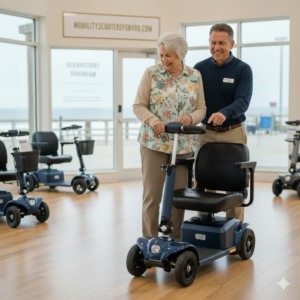
Finding the right mobility scooter shouldn’t feel like navigating a maze filled with overpriced gadgets, lacklustre builds, or confusing technical jargon. And yet, many people—especially seniors or individuals with limited mobility—often discover that the moment they begin shopping, prices climb higher than expected. But here’s the truth: an affordable mobility scooter doesn’t have to mean flimsy, slow, or uncomfortable. In fact, the modern mobility scooter market has matured so much that high-quality, durable, and feature-rich options exist at budget-friendly price points—if you know exactly what to look for.
In this article, we’ll delve deeply into the best reasonably priced mobility scooters that deliver outstanding performance, examine the characteristics that actually matter, evaluate the best models that are worth every penny, and help you shop more wisely rather than more expensively.
Why “Affordable” Doesn’t Have to Mean “Cheap”
Too often, the word affordable gets tangled with assumptions of poor engineering or low-grade materials. This misconception leads shoppers to believe that unless they’re paying top dollar, the scooter won’t last.
But mobility scooter technology has changed. Dramatically.
Manufacturers now use more cost-efficient production processes, lightweight yet sturdy materials, and modular designs that reduce both repair and maintenance expenses. These improvements mean that scooters priced under $1,000—or even under $700—can still offer features once reserved for premium models.
Short battery charging times.
Extended driving ranges.
High weight capacities.
Enhanced suspension systems.
These aren’t luxuries anymore; they’re increasingly standard, even in budget models.
What to Look for in a Quality, Budget-Friendly Mobility Scooter
Before diving into specific scooter recommendations, it’s essential to understand the features that make an affordable model truly worth the investment. Some scooters lure buyers with attractive price tags but sacrifice safety or durability—two areas you should never compromise on.
Below are the core elements to prioritize.
Battery Life and Range
A long-lasting battery ensures you can run errands, visit friends, or enjoy outdoor activities without constant recharging. Look for scooters with:
- 6–10 miles minimum range
- Fast-charging capability
- Replaceable lithium or sealed lead-acid batteries
The best budget scooters typically offer a range between 8 and 15 miles, which is more than enough for most daily tasks.
Weight Capacity and Stability
A solid, well-balanced scooter reduces the risk of tipping and ensures safe maneuverability. Affordable models should support:
- 250 lbs minimum capacity
- Low center of gravity
- Wide base for stability
Avoid scooters with overly narrow frames or small wheels on rough terrain.
Portability and Foldability
For many users, compactness is key. A scooter that disassembles or folds can be stored in small spaces or transported in a car’s trunk. Look for:
- Tool-free disassembly
- Folding handles or collapsible frames
- Lightweight components (under 35 lbs per section)**
Terrain Capability
Not all scooters handle outdoor surfaces well. If you need one for uneven sidewalks or gravel, consider:
- Larger wheels (8–10 inches)
- Rear-wheel drive
- Shock-absorbing suspension
These features are increasingly available at mid-range and budget-friendly price points.
Comfort Features
Affordable doesn’t mean uncomfortable. Many high-value scooters include:
- Padded swivel seats
- Adjustable armrests
- Anti-tip wheels
- Ergonomic steering controls
Even a slight upgrade in comfort can significantly improve daily use.
Top Affordable Mobility Scooters That Offer Quality AND Savings
The following scooters consistently rank among the best in quality, performance, and pricing. They deliver excellent value without the premium price tags seen in many competitors.
Let’s break them down.
Pride Mobility Go-Go Ultra X – Best Overall Budget Scooter
The Go-Go Ultra X has become a favorite among budget-conscious buyers for good reason: it blends reliability, portability, and user-friendly features into a surprisingly affordable package.
Key Features
- Range: 8–10 miles
- Weight Capacity: 260 lbs
- Top Speed: 4 mph
- Disassembles in seconds
- Lightweight frame ideal for travel
Why It Stands Out
This scooter hits the sweet spot between quality and cost. The frame is impressively sturdy, the seat is comfortable for all-day use, and the battery charges quickly. More importantly, it’s built by Pride Mobility—a brand known for long-term durability and easy-access replacement parts.
If your priority is convenience without compromising quality, the Go-Go Ultra X is a dependable choice.
Vive 4-Wheel Mobility Scooter – Best Under $800
The Vive scooter is one of the most cost-effective options available today. Despite the low price, the build quality often surprises users.
Key Features
- Range: Up to 12.4 miles
- Weight Capacity: 265 lbs
- Top Speed: 3.7 mph
- Four-wheel design for superior stability
Why It Stands Out
This model is known for its excellent terrain handling at a budget price. The seat is thickly cushioned, the anti-tip wheels improve safety, and the adjustable tiller makes it suitable for users of different heights.
While it doesn’t have the same brand recognition as some competitors, the Vive scooter offers exceptional value for the money.
Drive Medical Scout Compact – Best for Durability
Drive Medical is another trusted mobility brand, and their Scout model showcases a blend of durability and performance rarely seen at this price.
Key Features
- Range: 9 miles
- Weight Capacity: 300 lbs
- Top Speed: 4.25 mph
- Enhanced stability with larger wheels
Why It Stands Out
The Scout Compact includes design elements commonly seen in pricier scooters—such as a larger battery pack, hardy tires, and thick armrests. The scooter also breaks down into manageable pieces, making it ideal for users needing both affordability and portability.
If you want something rugged and reliable, the Scout is an excellent option.
Buzzaround Lite by Golden Technologies – Best for Comfort
If comfort is your top priority, but you still want affordability, the Buzzaround Lite delivers an exceptional ride.
Key Features
- Range: 10 miles
- Weight Capacity: 250 lbs
- Ultra-padded seat
- Extra legroom compared to similar models
Why It Stands Out
The Buzzaround Lite offers a smoother ride than many scooters twice its price. The suspension system effectively absorbs bumps, while the ergonomic design ensures a relaxed posture.
This model is perfect for users who intend to spend long durations on their scooters.
Glion SNAPnGO – Best Lightweight Portable Scooter
Though slightly pricier than other “budget” scooters, the SNAPnGO is still affordable compared to premium lightweight models and yet offers exceptional versatility.
Key Features
- Range: 15 miles
- Weight Capacity: 300 lbs
- Folds in less than 10 seconds
- Frame weighs only 31 lbs
Why It Stands Out
If portability is essential, this scooter is among the easiest to fold, lift, and store. Its lithium-ion battery is airline-approved, making it an ideal travel companion.
How to Choose the Right Mobility Scooter Without Overspending
Selecting an affordable scooter isn’t just about picking the cheapest option. It’s about evaluating your needs and matching them with the right features.
Here’s how to narrow it down:
Define How You’ll Use the Scooter
Ask yourself:
- Will this be for indoor or outdoor use?
- Do I need it for extended trips or short errands?
- Do I require portability for travel?
Your answers drastically change which model is best.
Set a Realistic Budget—but Stay Flexible
Most high-quality, affordable mobility scooters fall between $600 and $1,200. Staying within this range gives you access to reputable brands and solid features without unnecessary extras.
Still, spending $50–$100 more for a better battery or greater stability may save money in the long run.
Consider Replacement Part Costs
Budget scooters are great, but only if replacement parts are reasonably priced as well. Stick with brands like:
- Pride Mobility
- Drive Medical
- Golden Technologies
These companies offer easy access to affordable parts, ensuring long-term usability.
Look at Warranty Coverage
A good warranty is often a sign of quality. Aim for scooters offering:
- 1-year full warranty
- Extended options on batteries or motors
This ensures peace of mind at an affordable cost.
Don’t Ignore User Reviews
Real-world experiences reveal details that product descriptions often hide. Look for mentions of:
- Battery reliability
- Comfort during long rides
- How well it handles slopes or bumps
- Customer service quality
These insights guide smarter purchasing decisions.
Tips for Saving Even More When Buying a Mobility Scooter
If you’re looking to stretch your budget even further, these strategies can significantly reduce the final cost.
Buy During Seasonal Sales
Mobility dealers often run discounts during:
- Black Friday
- Cyber Monday
- End-of-year clearance events
- Senior discount months
The savings can be substantial—sometimes hundreds of dollars.
Check for Insurance or Medicare Options
While not all scooters qualify, medically necessary mobility devices may receive partial coverage. Always check with your provider.
Look for Refurbished Models
Certified refurbished scooters from reputable brands can offer premium performance at nearly half the price—without sacrificing reliability.
Use Coupons or Promo Codes
Many online retailers offer limited-time discount codes, especially for first-time buyers.
Key Pitfalls to Watch Out for When Shopping for a Budget-Friendly Mobility Scooter
Even the savviest shoppers can stumble when choosing a mobility scooter, especially when balancing price with long-term reliability. While budget-friendly options are plentiful, certain pitfalls can turn what looks like a smart purchase into an ongoing headache. Understanding these common mistakes helps ensure you select a scooter that genuinely supports your lifestyle—not complicates it.
Prioritizing Price Over Long-Term Value
It’s easy to be tempted by ultra-low prices, especially when some mobility scooters are advertised for a fraction of the typical cost. But here’s the catch: many of the cheapest scooters cut corners in ways that matter—battery quality, motor strength, wheel durability, and overall build integrity.
A scooter that seems “affordable” today may require:
- Larger, more frequent battery replacements
- Repairs due to weak frames
- Limited outdoor capability
- Restricted lifespan
Paying slightly more up front can protect you from paying much more later.
Ignoring Weight Capacity Requirements
Weight capacity isn’t just about the rider’s weight—it includes clothing, personal items, bags, oxygen tanks, and anything else you carry regularly. Choosing a scooter with too low a capacity strains the motor and battery, drastically shortening their lifespan.
A good rule of thumb:
Choose a scooter with at least 20–30 lbs more capacity than you think you need.
Overlooking Terrain Compatibility
Some budget scooters work beautifully indoors and on smooth pavements but struggle with grass, gravel, or uneven sidewalks. Users often learn this the hard way—after purchasing a model that wasn’t built for their environment.
Before purchasing, ask:
- Will I be mainly riding indoors or outdoors?
- Do I live in an area with slopes or cracked sidewalks?
- Do I need larger wheels for stability?
Matching your scooter to your terrain prevents frustration and reduces wear and tear.
Forgetting to Check Battery Replacement Costs
Batteries are the heart of a mobility scooter—and they eventually need replacing. Some affordable scooters use uncommon battery types that cost significantly more than standard sealed lead-acid or lithium-ion units.
Before purchasing, research:
- Battery price
- Battery availability
- Average lifespan
A mobility scooter is only as good as the battery that powers it. Choose wisely.
Skipping Comfort Assessments
Many buyers assume that comfort features matter only on premium scooters. Not true. Even affordable models should provide a seat that doesn’t feel like a wooden bench after 20 minutes of use.
Consider:
- Seat height and width
- Padding thickness
- Adjustable armrests
- Legroom
- Back support
A mobility scooter is a companion you may use daily—comfort is an investment in your well-being, not a luxury.
Not Considering Transport and Storage Needs
A surprising number of buyers choose scooters that are too large to fit in their homes, cars, or storage spaces. This oversight can make the scooter difficult to use or even force a return.
Before buying, take measurements:
- Car trunk space
- Home entryways
- Closet or garage storage
- Weight of each disassembled component
If portability is crucial, opt for lightweight folding scooters or models that break down into compact pieces.
Ignoring Warranty and Support Details
Warranties aren’t just legal fine print—they’re an indicator of how much confidence the manufacturer has in its product. A limited or vague warranty can leave you without support when you need it most.
Look for:
- Clear warranty terms
- At least 1 year of coverage
- Responsive customer service
- Accessible replacement parts
A scooter backed by a reliable company is far more valuable than one that offers a low price and zero support.
Why Avoiding These Mistakes Matters
Mobility scooters are more than machines—they are tools of freedom, independence, and dignity. Choosing the proper one can significantly improve your quality of life. Choosing the wrong one can limit your mobility, drain your finances, and lead to safety concerns.
By avoiding the mistakes above, you ensure that your investment:
- Enhances your independence
- Supports your daily routine
- Stands the test of time
- Provides actual value without unnecessary expense
Budget-friendly doesn’t mean settling. It means selecting a scooter that respects both your needs and your budget.
FAQs
Are affordable mobility scooters reliable?
Yes. Many budget-friendly scooters use durable frames, quality batteries, and proven motors. The key is choosing reputable brands with good customer reviews.
How long do inexpensive mobility scooter batteries last?
Most affordable scooter batteries last 12–24 months, depending on usage, charging habits, and terrain conditions.
Can I use a budget mobility scooter outdoors?
Absolutely—make sure it has larger wheels, good stability, and is designed for mixed terrain. Some budget models handle sidewalks and light gravel well.
What is the average price of an affordable mobility scooter?
Most quality budget scooters range from $600 to $1,200, depending on size, features, and brand.
Do mobility scooters require special maintenance?
Maintenance is minimal. Regular battery charging, tire checks, and frame cleaning usually keep a scooter in excellent condition.
Conclusion
Mobility scooters provide freedom, independence, and peace of mind. And the good news is that you can absolutely find high-performing, long-lasting, and comfortable scooters without overspending. The key is knowing which models offer the best balance of features and value.
From the durable Drive Medical Scout to the ultra-portable SNAPnGO and the budget-friendly Vive 4-wheel, there’s a high-quality option for every user and every budget.
You deserve mobility without financial stress.
You deserve comfort without compromise.
And with today’s affordable mobility scooters, you can have both.
The Best Compact Scooters for Tight Indoor Spaces — Your Ultimate Guide

In cramped quarters — narrow hallways, cozy apartments, compact retail floors, or tight storage corners — the need for mobility doesn’t disappear. It just demands a different kind of machine. Enter the compact scooter: a lean, nimble, foldable solution engineered not for highways or open roads, but for tight indoor spaces where agility, portability, and subtlety matter much more than brute power.
In this guide, we’ll dive into what makes a scooter “ideal for indoor spaces,” highlight top picks on the market today, and walk you through how to choose the right model. By the end, you’ll have clarity — and maybe more mobility than you expected.
Why Compact Scooters Shine Indoors
Large scooters and bulky mobility devices often falter once you step into confined spaces: doorways become bottlenecks, furniture becomes obstacles, and storage becomes a headache. Compact scooters — by design — circumvent those hurdles. They bring several inherent advantages:
- Maneuverability & Tight Turning Radius. Scooters built for indoor use often feature three-wheel configurations or specialized steering mechanisms to allow quick, tight turns. That makes navigating narrow hallways, aisles, or corners far easier.
- Portability & Foldability. Many compact scooters can be folded, disassembled, or reduced to a more manageable size — a huge plus when you need to store them under beds, in closets, or corners, or when you want to transport them between rooms or buildings.
- Space Efficiency. Their slim frames often allow them to fit through standard doorways and move around furniture — making them ideal for homes, apartments, malls, offices, or other indoor environments.
- Convenience for Frequent Use. For people who need a scooter for short distances — maybe around a house, small building, or indoor public space — compact scooters offer a convenient, low-effort solution without the hassle of large, heavy vehicles.
Because of these traits, compact scooters have carved a niche in indoor mobility: for seniors, people with limited mobility, urban dwellers, and anyone who values space-saving design without sacrificing functionality.
What to Look For — Key Features & Specs
Before you commit to a model, it’s worth pausing to examine the essential attributes that make a compact scooter truly indoor-ready.
Maneuverability & Wheel Configuration
- Three-wheel vs. Four-wheel: Many indoor scooters employ a three-wheel design because it provides a tighter turning radius — ideal for navigating narrow doorways, corners, and hallways.
- Turning Radius: A smaller turning radius (often 30–36 inches or so for 3-wheelers) enhances agility in tight spaces.
- Tiller / Steering Design: Intuitive, easy-to-manage steering makes a big difference, especially in confined areas where oversteering can lead to collisions.
Size, Weight & Portability
- Compact Dimensions: A slim frame that fits through standard doors and navigates hallways is ideal.
- Weight: Lighter scooters (some as light as ~35–40 lbs) are easier to lift, fold, store, or transport.
- Disassemblable or Foldable Frames: Make storage and transport much easier for homes, apartments, or even cars.
Battery, Range & Performance (if electric)
- Sufficient Range for Intended Usage: For indoor use or short trips indoors/outdoors, a modest battery range (e.g., 6–12 miles) may suffice.
- Power vs. Space Trade-off: Indoor scooters often sacrifice long-range or high-speed motors for compact form factors.
Comfort & Safety Features
- Seat Comfort and Adjustability: Swivel seats, adjustable seats/armrests — these make for ease of getting on/off in tight quarters.
- Stability & Weight Capacity: The scooter must safely support the user’s weight. Typical indoor compact scooters support 250–300+ lbs.
- Ease of Use Controls: Simple, intuitive controls (steering, acceleration, braking) help reduce frustration and increase safety — especially important indoors where reaction time might be limited.
Recommended Compact Scooters for Tight Indoor Spaces
Here are several of the most recommended compact scooters, particularly suited for indoor environments or tight-space navigation. Their differences in size, construction, functionality, and cost provide plenty of options to suit various preferences.
Highlights & Why They Stand Out
- HandyScoot Small Mobility Scooter for Indoor Use — A folding, three-wheeled scooter that balances portability with practicality. Top speed up to 9 mph and a range of up to ~15 miles per charge. Its foldable design and manageable weight make it a suitable candidate for indoor and travel use.
- EV Rider Gypsy Small Indoor Mobility Scooter — Extremely lightweight (≈ 37 lbs), folds down easily, and ideal for indoor mobility or frequent transport (e.g., stairs, car trunks). Its compact build makes it a good everyday indoor companion.
- Go-Go Elite Traveller Compact Scooter — A well-rounded option with solid indoor maneuverability, relatively easy disassembly, and sufficient weight capacity for many users. It suits those who want portability without compromising too much on comfort and Stability.
- Pride i-Go 3-Wheel Folding Mobility Scooter — Compact, foldable, and built with indoor use in mind. Its foldable build allows for quick storage and hassle-free transport, and the three-wheel setup provides smoother handling in narrow or crowded areas.
- SmartScoot Foldable Mobility Scooter — Among the lightest foldable scooters on the market, making it highly portable and easy to store. Great for users living in apartments or small homes, or for frequent mobility without bulky equipment.
- Featherweight Mobility Scooter — Ultra-light design prioritizing portability and storage — ideal for very tight living spaces, frequent transport, or minimal-space lifestyles.
- eFOLDi Lite Mobility Scooter — Combines a lightweight frame with a respectable load capacity, and folds easily for storage or transport. Useful for users needing a balance of convenience, indoor mobility, and everyday reliability.
- Triaxe Sport Compact Mobility Scooter — A slightly sturdier compact scooter that still embraces a slim, space-efficient design. For those wanting a more durable build while staying within the compact-scooter category.
How to Choose — Matching Scooter to Your Needs
Selecting the “right” compact scooter depends heavily on how you intend to use it. Here’s a practical framework to guide your decision:
Usage Environment
Mostly within apartments, homes, offices, or indoor spaces → prioritize foldability, light weight, narrow width, and tight turning radius.
Expect occasional outdoor use (e.g., sidewalks, short errands) → opt for slightly more robust frames and better battery/range.
Mobility & Storage Constraints
Limited storage (closet, under bed, corner room) → choose foldable or disassemblable scooters like the Featherweight, SmartScoot, or EV Rider models.
Need portability (stairs, moving between rooms/buildings, transport in a car) → light scooters (under ~40–50 lbs) or foldable designs.
User’s Weight & Comfort Needs
Always check weight capacity — many compact scooters support 250–300+ lbs.
For frequent daily use, a comfortable seat, stable build, easy controls, and good maneuverability matter more than high speed.
Battery, Range & Frequency of Use
If the scooter will be used indoors or for short trips, a modest range (6–15 miles) may suffice.
For longer or more frequent trips, prioritize models with better battery life, even if they are slightly heavier.
Maneuverability Over Power
For indoor spaces, a tight turning radius and responsive steering trump high speed or outdoor power.
Potential Trade-offs: What You Might Sacrifice
No solution is perfect. Compact scooters — for all their space-efficient brilliance — come with trade-offs.
- Limited Comfort or Suspension: Because of their small frame and lighter build, many compact scooters offer only basic suspension (if any) and limited comfort features. This can make them less comfortable over longer rides or rougher indoor surfaces.
- Reduced Range or Power: Compact/foldable scooters often have smaller batteries and less powerful motors. Not ideal if you plan long rides or frequent outdoor use.
- Less Stability (on Rough Ground): While fine indoors or on smooth floors, compact scooters — exceptionally light three-wheel ones — may wobble or struggle on uneven terrain.
- Fewer Features: To keep size and weight down, manufacturers may sacrifice extras such as advanced suspension, large storage baskets, heavy-duty build, or high-end controls.
Accepting these trade-offs is part of embracing compact scooters: you gain range, portability, and indoor friendliness — but sacrifice some comfort or all-terrain robustness.
Who Benefits Most from Compact Indoor Scooters?
Compact scooters for tight indoor spaces tend to be especially beneficial for:
- Elderly or mobility-challenged individuals who need dependable, easy-to-use devices to navigate homes, apartments, or assisted-living facilities.
- Urban dwellers living in small apartments or condominiums, where storage is limited, and the transport of a regular scooter would be burdensome.
- People needing a portable mobility device for frequent transport (between rooms, buildings, or even vehicles), but still requiring Stability and comfort.
- Temporary use cases (e.g., injury recovery, short-term mobility assistance) where large, expensive devices are unnecessary.
- Space-conscious households or establishments like small shops, clinics, assisted-living homes, or indoor recreation centers, where maneuverability and compact storage are essential.
Maintenance, Safety, and Practical Use Tips
Owning a compact indoor scooter isn’t just about buying — it’s also about using it properly. Here are some tips to ensure longevity and safe use:
| Tip / Consideration | Reason / Benefit |
| Regularly inspect wheels / turning mechanisms | Frequent tight turns can stress wheels or bearings; early checks prevent accidents. |
| Keep battery charged; avoid deep discharge | For electric models, consistent charging prolongs battery life and ensures reliability. |
| Avoid rough surfaces or stairs if not designed for them | Compact scooters often lack suspension or a rugged build — rough terrain can tip or damage them. |
| Use indoors first — take time to get used to steering radius & braking | Indoor spaces leave little margin for error — practice helps build control and confidence. |
| Store in dry, dry-climate spaces | Prevent rust or battery damage from humidity, especially in tropical climates like Manila. |
| Check weight load regularly (especially with cargo or bags) | Overloading may stress the frame or degrade performance over time. |
Should You Use a Compact Scooter in Manila / Urban Asia Context?
Given your likely context — dense urban living, limited indoor space, perhaps shared living quarters — compact scooters make a compelling case. A few reasons:
- Housing in metro areas often means smaller apartments or condos; traditional large scooters become cumbersome to store or move.
- Narrow corridors, small elevators, and limited staircases — compact scooters navigate these with ease.
- For short errands, quick commutes within buildings, or trips to nearby destinations, compact scooters offer a practical alternative to cars or larger vehicles.
- Portability means you can carry them up staircases, into cars or public transport (if allowed), or store them in small corners when not in use.
As long as you choose a model matching your weight, mobility needs, and intended use — and follow safety/maintenance guidelines — compact scooters can transform mobility for urban dwellers.
Cost Breakdown: How Much Should You Expect to Spend on a Compact Indoor Scooter?
While compact scooters are smaller and more streamlined than their full-sized counterparts, their prices vary widely — often surprising buyers who assume “smaller” means “cheaper.” In reality, the cost reflects engineering trade-offs, specialized materials, battery technology, and whether the scooter is built for portability, durability, or all-day indoor use. Understanding these cost tiers can help you avoid overspending while ensuring you choose a model that aligns with your needs.
Entry-Level Compact Scooters ($450–$900)
These models offer the essentials: a basic three-wheel design, modest top speeds (usually 3–4 mph), and limited range. They’re ideal for those who need occasional indoor mobility — navigating a small apartment, moving from room to room, or performing light daily tasks. Foldability may be minimal, and materials tend toward lightweight plastics and simple foam seating.
- Best for: Budget-conscious shoppers, light users, temporary mobility needs.
- Trade-offs: Shorter battery life, minimal comfort features, and limited suspension.
Mid-Range Indoor Scooters ($900–$1,600)
This category represents the “sweet spot” for most users. These scooters typically include better seating, improved maneuverability, tighter turning radii, and more durable frames. Many mid-range compact scooters offer quick-disassembly systems or semi-folding mechanisms that still allow for easy storage in closets or small storage areas.
- Best for: Daily indoor users, seniors who need dependable home mobility, and small-space dwellers.
- Trade-offs: May still lack advanced cushioning or high-weight capacities.
Premium Ultra-Compact & Foldable Scooters ($1,600–$3,400+)
At the high end of the spectrum lie the featherweight and ultra-portable models — scooters engineered for seamless movement in tight indoor spaces and effortless transport outdoors. Many are aircraft-friendly, made with aluminum alloys or carbon-infused frames, and can fold in seconds. Despite their light footprint, some models still deliver impressive speed and range.
- Best for: Users prioritizing portability, travelers, and those with limited strength who need lightweight frames.
- Trade-offs: Higher price, sometimes smaller seating, and limited cushioning due to weight-saving designs.
Hidden Costs to Consider
Small scooters might look like low-maintenance machines, but ownership can introduce a few extra expenses that often catch new users off guard:
- Battery replacements (every 12–24 months) — Lithium-ion batteries last longer but cost more; sealed lead-acid alternatives are cheaper but heavier.
- Tire wear or replacements — Indoor environments can still create friction on non-marking tires.
- Seat upgrades — Cheaper models may benefit from cushioned add-ons for long-term comfort.
- Warranty extensions or servicing — Especially worthwhile if you rely on the scooter daily.
Depending on your needs, these extras could add $60 to $300 per year. However, for frequent users, these costs are often justified by the increased reliability and comfort they provide.
FAQs
Are compact scooters safe to use indoors?
Yes. Compact scooters are designed with tight turning radii and controlled speeds, making them safe for hallways, kitchens, bedrooms, and other indoor spaces when appropriately used.
Can these scooters fit through standard doorways?
Most compact scooters can pass through standard 28–32-inch doorways thanks to their slim frames. Always check the exact width before purchasing.
How long does the battery last?
Indoor-friendly models typically offer 6–15 miles per charge — more than enough for daily home use.
Can compact scooters be used outdoors too?
They can, but only on smooth surfaces like sidewalks or mall floors. They are not ideal for uneven terrain or rough outdoor conditions.
Do foldable scooters lose durability?
Not necessarily. High-quality folding mechanisms are engineered for repeated use, but ultra-lightweight frames may have lower comfort or load capacity.
Are compact scooters easy to store?
Yes. Most either fold or disassemble, allowing storage in small closets, corners, or even under furniture.
Conclusion
We often equate mobility with size: bigger wheels, heavier build, more power. But when it comes to indoor spaces or small-footprint living, that assumption becomes a liability. Compact scooters challenge that notion. They prove — gently, efficiently, and sometimes surprisingly elegantly — that freedom of movement doesn’t require bulk.
If you value agility over raw power, portability over long-haul range, and space-efficiency over ruggedness, compact scooters offer a liberating alternative.
Whether for seniors longing for independence, urban residents craving mobility without clutter, or anyone navigating tight indoor spaces, the right compact scooter can help you rediscover movement on your own terms.
Long-Range Mobility Scooters: Models That Keep You Moving All Day
Range is more than just a feature for people who use mobility scooters; it’s freedom expressed in miles. A long-range mobility scooter can determine whether your day unfolds with uninterrupted independence or is punctuated by repeated interruptions for recharging. As battery technology evolves and manufacturers refine the science behind endurance, modern scooters are now capable of traveling staggering distances on a single charge. But not all long-range models are created equal. Some excel in urban errands, others dominate rugged outdoor trails, and a select few strike that elusive balance between power, comfort, and portability.
In this comprehensive guide, we break down the best long-range mobility scooters available today, explore the technology that drives their performance, and help you choose the model that keeps you moving — not just for a few hours, but all day long.
Why Range Matters: Independence, Convenience, and Everyday Confidence
Range isn’t just a number printed on a product page. It’s a lived experience — the difference between confidently scheduling a full day of errands and worrying about how close you are to your last bar of battery life.
Long-range mobility scooters offer:
- Greater independence, especially for users who enjoy spontaneous outings or longer travel routes.
- Less battery anxiety, meaning no need to hunt for charging ports or rush home early.
- Improved versatility, allowing users to enjoy parks, shopping centers, medical appointments, and social outings on a single charge.
- Enhanced performance, since long-range models typically come with stronger motors, larger batteries, and upgraded suspension systems.
For seniors, adults with disabilities, and individuals with mobility limitations, these benefits translate into something invaluable: the ability to live life on your terms.
How Long-Range Mobility Scooters Work: Battery Technology and Efficiency
The science behind long-range scooters revolves around three core components: battery capacity, motor efficiency, and overall build design.
Battery Size and Chemistry
Today’s leading models use either:
- Sealed Lead Acid (SLA) — affordable but heavier and lower range
- Lithium-ion — lighter, faster to charge, longer lifespan, and exceptional range
Lithium-ion scooters often cost more upfront, but their durability and performance make them the top choice for all-day use.
Motor Strength and Efficiency
A scooter doesn’t need the biggest motor — it requires the most efficient one. High-quality long-range scooters use optimized brushless motors that produce more power with less energy waste.
Tires, Suspension, and Frame
A well-designed scooter reduces drag and improves weight distribution. Larger pneumatic tires and advanced suspension systems also reduce the strain on the motor, indirectly increasing range.
Top Long-Range Mobility Scooters of 2025: Models Built for All-Day Travel
Below are the top models known for their exceptional range, durability, comfort, and long-lasting performance on the go. Each model has been evaluated for performance, real-world range, terrain handling, and value.
EWheels EW-46 Mobility Scooter
A true powerhouse with rugged outdoor capabilities
Range: Up to 35 miles
Top Speed: 13 mph
Weight Capacity: 400 lbs
Best For: All-day outdoor excursions, uneven terrain
The EWheels EW-46 stands tall as one of the strongest long-range mobility scooters available today. Built like a hybrid between a mobility scooter and a small recreational vehicle, this model offers exceptional stability and endurance. With a massive 48-volt battery and highly efficient motor system, it’s engineered to go far — and go fast.
Why It Stands Out
- Extra-wide captain’s seat enhances long-distance comfort
- Full suspension ensures smoother rides on grass, gravel, and sidewalks
- Comes loaded with premium features: LED lighting, digital display, anti-theft alarm
Ideal User
Active outdoor enthusiasts who enjoy long, uninterrupted travels and want a scooter that feels sturdy, powerful, and exclusive.
Afikim Afiscooter S4
A luxury mobility scooter with unmatched comfort
Range: Up to 37 miles
Top Speed: 9.3 mph
Weight Capacity: 450 lbs
Best For: Users who prioritize comfort, long rides, and stability
Often called the “Rolls-Royce of mobility scooters,” the Afikim S4 delivers stunning range, powerful performance, and industry-leading comfort. Its ergonomic design, shock-absorbing suspension, and weather-resistant build transform everyday mobility into a relaxed, enjoyable experience.
Why It Stands Out
- Full orthopedic seat with swivel capability
- One of the smoothest suspension systems on the market
- Large tires that glide over uneven surfaces
Ideal User
Anyone who plans to use their scooter for daily, long-duration activities and requires premium comfort for back, hip, or joint support.
Drive Medical Cobra GT4
A high-performance model built for speed and distance
Range: Up to 35 miles
Top Speed: 10 mph
Weight Capacity: 450 lbs
Best For: Long-distance city and neighborhood travel
The Cobra GT4 is designed for individuals who want speed and reliability without sacrificing comfort. This model offers a blend of sporty handling and ergonomic design, delivering an energetic yet controlled ride.
Why It Stands Out
- Adjustable tiller and sliding captain’s seat
- Powerful LED headlight system for nighttime visibility
- Oversized tires for smooth operation
Ideal User
Users who want a stylish, fast mobility scooter that can comfortably handle all-day use.
Pride Mobility Raptor 3-Wheel
A sleek, motorcycle-inspired scooter that packs serious range
Range: Up to 31 miles
Top Speed: 14 mph
Weight Capacity: 400 lbs
Best For: Urban commuters, long city rides, and smooth surfaces
The Raptor combines speed, endurance, and aesthetics more than almost any other long-range scooter. Its motorcycle-inspired frame and aerodynamic design help reduce drag, extending battery life and improving speed.
Why It Stands Out
- One of the fastest scooters available
- Front and rear suspension
- Large digital display with speed and battery readouts
Ideal User
Individuals who want style, speed, and long-range performance for everyday transport and errands.
Golden Technologies Eagle HD
An ultra-durable scooter that prioritizes stability and range
Range: Up to 30 miles
Top Speed: 8 mph
Weight Capacity: 500 lbs
Best For: Heavier riders, all-day travel, and enhanced stability
The Eagle HD delivers dependable performance for long journeys. Its reinforced frame, heavy-duty suspension, and robust motor system make it ideal for users who need extra support without sacrificing range.
Why It Stands Out
- One of the most significant weight capabilities available
- Reinforced steel frame
- Smooth suspension for long-distance comfort
Ideal User
Heavier riders or users who value stability, strength, and full-day performance.
Choosing the Right Long-Range Mobility Scooter: What to Consider
With so many options available, choosing the perfect mobility scooter means weighing your unique needs. Below are the key factors that influence performance, comfort, and overall satisfaction.
Battery Type and Range
- Lithium-ion batteries provide significantly better range, lighter weight, and quicker charging.
- Lead-acid batteries may reduce costs, but they also limit freedom and lifespan.
If your goal is all-day mobility, lithium-ion is usually worth the investment.
Terrain Compatibility
Where will you ride most?
- City use: Look for speed, maneuverability, and efficient tires.
- Outdoor paths: Choose larger wheels, robust suspension, and powerful motors.
- Mixed terrain: Consider high-end models like the Afiscooter S4 or EW-46.
Understanding your environment ensures your scooter performs at its best.
Comfort Features
Long-range scooters aren’t just about moving far — they’re about staying comfortable while doing it.
Look for:
- Adjustable, padded seats
- Back and arm support
- Suspension systems
- Ergonomic controls
- Swivel seating for easy mounting and dismounting
Comfort directly affects your ability to use the scooter daily.
Weight Capacity and Durability
Always choose a scooter with at least 20% more weight capacity than your real body weight to ensure best performance and battery efficiency.
This also prevents premature wear on the motor, suspension, and tires.
Portability and Storage
Some long-range scooters are large and heavy. Consider:
- Whether you’ll transport it in a car
- If you need a folding or disassembling frame
- How much storage space do you have at home
Larger scooters often offer better range, but you must decide how much size you can realistically handle.
Charging Tips to Extend Battery Life and Improve Range
A long-range scooter is only as good as its battery maintenance. Follow these best practices to keep your scooter performing at its peak:
Charge Fully After Each Use
Even if you haven’t depleted the battery, top it off.
Avoid Draining the Battery to Zero
Lithium-ion batteries prefer partial cycles.
Store in a Cool, Dry Place
Extreme heat or cold can prematurely weaken batteries.
Use Manufacturer-Approved Chargers
Generic chargers may shorten battery lifespan or lower range.
Replace Batteries Periodically
Heavy users may require replacement every 18–24 months.
Frequently Asked Questions
When shoppers begin exploring long-range mobility scooters, they often stumble on the same questions. Addressing these questions directly helps eliminate uncertainty and supports confident, informed decisions.
What qualifies as a “long-range” mobility scooter?
While definitions vary among manufacturers, most experts consider any scooter that travels 20 miles or more on a single charge to be a long-range scooter. Premium models can reach 30, 40, or even 50 miles, depending on the battery type and terrain conditions.
How long does it take to charge a long-range scooter?
Charging times can stretch from 6 to 12 hours, though lithium-ion models often recharge faster. Some brands offer fast-charging upgrades that cut the time nearly in half.
Can a heavy rider still achieve maximum range?
The range decreases as the weight approaches the maximum capacity. To maintain optimal distance, choose a scooter with a load capacity at least 20–25% higher than your body weight.
Are long-range scooters allowed on sidewalks or bike lanes?
Most areas allow them on sidewalks at safe, controlled speeds, though local laws vary. Faster models (10–15 mph) may fall into specialized categories and require different usage rules.
Benefits of Long-Range Mobility Scooters Beyond Distance
Range is just the beginning. Riders who upgrade from standard models often discover an entire ecosystem of benefits designed to enhance mobility on every level.
Enhanced Stability and Suspension
Long-range scooters usually come with reinforced frames, larger wheels, and advanced suspension, resulting in a smoother ride and better safety — especially on bumpy or uneven surfaces.
Better Battery Lifespan
Because larger batteries don’t need to be charged as frequently or drained as deeply, they often last longer than smaller scooter batteries, reducing maintenance costs.
Higher Weight Capacities
Many long-range scooters support 400–500+ lbs, providing a more inclusive and accommodating mobility experience for a wide range of users.
Elevated Comfort Features
Long hours on the scooter demand higher comfort standards. These models usually add:
- Plush captain’s chairs
- Adjustable armrests
- Back-friendly ergonomic seating
- More legroom
- Wider, more stable foot platforms
Maintenance Tips to Keep Your Long-Range Scooter Running Like New
A mobility scooter is an investment — and, just like a vehicle, it needs care to reach maximum longevity.
Perform Weekly Tire Checks
Ensure they’re properly inflated to reduce drag and protect your battery range.
Clean and Inspect the Scooter Regularly
Dust, debris, and moisture accumulate over time. Quick wipe-downs prevent corrosion and protect sensitive electronics.
Check the Brakes and Suspension Monthly
Long-range riders rely heavily on these components. Listen for odd noises, inspect for wear, and schedule professional service at least twice a year.
Protect the Scooter from Weather Exposure
Store indoors or in a sheltered, dry space. Rain, snow, and direct sun can weaken battery cells and damage electronic controls.
Keep Connections Tight
Loose battery cables are one of the leading causes of range loss in mobility scooters.
Who Should Choose a Long-Range Mobility Scooter?
Not every rider needs extended miles — but for many, it’s a game-changer. The following groups benefit the most:
Active Seniors Who Spend Long Hours Outdoors
Whether visiting farmers’ markets, enjoying nature trails, or running errands, long-range models ensure the day flows uninterrupted.
Commuters Using Their Scooters as Primary Transportation
For individuals who rely on scooters to get to work, school, or appointments, a wider range translates directly into greater dependability.
Travelers and RV Enthusiasts
When you’re exploring new places, you don’t want your mobility device limiting your adventure. Long-range scooters keep pace with busy itineraries.
Heavy-Duty Performance Seekers
Those who require higher weight limits or stronger motors often find that long-range scooters better meet their needs.
Users Living in Spread-Out Suburbs
Longer driveways, greater distances between stores, and larger neighborhood layouts make extended-range scooters essential.
Comparison Chart: Top Long-Range Mobility Scooters
Here’s a quick reference chart to help readers compare the leading models at a glance.
|
Model |
Maximum Range |
Top Speed |
Weight Capacity |
Best For |
|
EWheels EW-46 |
Up to 35 miles |
13 mph |
400 lbs |
Outdoor adventures & mixed terrain |
|
Afikim Afiscooter S4 |
Up to 37 miles |
9.3 mph |
450 lbs |
Premium comfort & all-day rides |
|
Drive Medical Cobra GT4 |
Up to 35 miles |
10 mph |
450 lbs |
Long-distance urban or suburban travel |
|
Pride Raptor 3-Wheel |
Up to 31 miles |
14 mph |
400 lbs |
Fast commutes & smooth surfaces |
|
Golden Eagle HD |
Up to 30 miles |
8 mph |
500 lbs |
Heavy riders & stability-focused use |
Conclusion
A long-range mobility scooter is more than a mobility aid. It’s a gateway to freedom — a tool that restores independence, encourages exploration, and allows you to move through your day with confidence and ease. Whether you’re navigating busy sidewalks, visiting friends, running errands, or enjoying the outdoors, the right scooter ensures you never feel limited by distance.
From the rugged EWheels EW-46 to the luxurious Afiscooter S4 and the sleek Pride Raptor, there’s a model tailored for every lifestyle, body type, and comfort preference.
Choosing the right long-range mobility scooter means choosing a life with fewer stops, fewer limitations, and far more possibilities.
Mobility Scooter Batteries: How Long They Last and When to Replace Them
Mobility scooters have become essential companions for countless individuals seeking independence, comfort, and reliable transportation. But beneath every smooth ride is a power source quietly determining just how far—and how safely—you can travel: the battery. Though often overlooked, your mobility scooter battery is not a “set-it-and-forget-it” component. It’s a consumable part with a limited lifespan, one affected by how you ride, charge, store, and maintain it.
Understanding how long mobility scooter batteries last, the factors that influence their longevity, and the unmistakable signs that your battery is nearing retirement is crucial. A failing battery doesn’t just shorten your range; it can compromise your scooter’s performance, leave you stranded, or cause unexpected downtime that interrupts your daily life.
In this guide, we’ll take a deep, detailed look at what you need to know—without the fluff, without the vague generalizations, and with enough clarity to help you make informed, confident decisions.
What Determines Mobility Scooter Battery Lifespan?
Mobility scooter batteries don’t all age the same way. Two identical scooters could have dramatically different battery lifespans depending on care, usage, and the environment. While most manufacturers provide general expectations, real-world performance always varies.
Here are the significant factors that influence how long your mobility scooter battery will actually last:
Battery Type
Mobility scooters typically use one of three battery types:
- Sealed Lead Acid (SLA/AGM): Affordable but heavier. Expect around 12–18 months of life with regular use.
- Gel Batteries: More durable and tolerant of deep discharges. Many last 2–3 years.
- Lithium-ion Batteries: Lighter, faster-charging, and longer-lasting. High-quality lithium packs can last 3–5 years or even longer.
Each type degrades differently. Lead-acid batteries are more prone to deep discharges and inconsistent charging. Lithium-ion cells, on the other hand, prefer partial discharges and degrade mainly due to age and cycle count rather than irregular use.
Charge Cycles
A battery’s life is measured in charge cycles, and each type offers a different number:
- SLA/AGM: ~300 cycles
- Gel: ~500 cycles
- Lithium: 800–1,000+ cycles
The more frequently you fully deplete and recharge, the faster the battery reaches the end of its usable life.
Rider Weight and Terrain
Heavy loads and rough surfaces both force the battery to work harder. Hills, grass, uneven sidewalks, and long continuous rides all reduce battery lifespan over time. The harder the motor works, the more strain and heat it puts on the battery cells.
Charging Habits
Charging habits can make or break battery longevity. Common mistakes—such as letting a battery sit empty, returning home with low battery levels for weeks at a time, or using cheap off-brand chargers—accelerate permanent damage.
Climate and Storage Conditions
Extreme temperatures, especially heat, dramatically shorten battery lifespan. Storing a mobility scooter in a garage that reaches 100°F (37°C) or higher during summer can permanently weaken the battery, even when the scooter is not in use.
How Long Do Mobility Scooter Batteries Actually Last?
Now that you understand what affects overall lifespan, let’s get to the question you’re really asking: How long should my mobility scooter battery last before it’s time to replace it?
Below are real-world averages that take into account mixed usage across thousands of users:
SLA/AGM Batteries: 12–18 Months
These are the most common in standard and budget mobility scooters. With daily use, expect around a year to a year and a half before you notice a decline in performance. Occasional users may stretch them to 2 years, but degradation is usually noticeable by then.
Gel Batteries: 2–3 Years
Gel batteries cost more, but they offer increased durability and more stable performance throughout their life. They handle heat better and have more consistent recharge reliability than SLA batteries.
Lithium-ion Batteries: 3–5 Years
Lithium batteries are by far the longest-lasting option. Modern lithium technology delivers better cycle durability, more stable voltage output, faster recharge times, and far less degradation with age.
Light Use vs. Heavy Use
- Light use (1–3 times a week): Battery may last 50–80% longer than average
- Heavy use (daily riding or long-distance travel): Expect lifespan on the lower end of each range
Higher-End Scooters vs. Budget Scooters
Higher-quality mobility scooters often include more advanced battery management systems (BMS), thermal protection, and optimized charging. These design elements can extend battery lifespan significantly compared to budget models.
How to Know When Your Mobility Scooter Battery Is Dying
A declining battery doesn’t usually fail overnight. It gives you subtle warnings first. Ignoring these early signs leads to inconsistent performance and could shorten the life of other scooter components—such as the motor or controller.
Here are the most common signs it’s time to replace your mobility scooter battery:
Noticeably Shorter Range
If your scooter used to cover 10 miles and now only manages 5 or 6, the battery is losing capacity. This happens gradually and is often one of the first noticeable symptoms.
Sluggish Performance or Weak Power Output
Does your scooter slow down during inclines? Does it feel weaker overall? This usually happens when the battery can no longer consistently deliver the required voltage.
Longer Charging Times
If the battery takes much longer to charge, its cells may be aged or imbalanced. Charging systems struggle to fill weakened cells, resulting in extended charging times.
Battery Dies Suddenly or Inconsistently
A dying battery may show a complete charge one minute and plummet the next. Voltage fluctuations that cause sudden drops often indicate cell failure inside the battery.
The Battery Overheats While Charging or Riding
Heat is a major enemy. If your battery case becomes unusually warm, swollen, or emits a smell, stop using it immediately. Overheating can be dangerous and indicates a critical failure.
When Should You Replace Your Mobility Scooter Battery?
As a general rule, replace your battery when it no longer supports the range or performance you need. However, here are more specific guidelines.
Replace Your Battery If:
- It fails to hold a charge for more than a few miles.
- Your scooter loses speed or power during everyday use.
- You’ve had the battery for 18–36 months (depending on type).
- You notice swelling, leaks, or unusual heating.
- Charging times have doubled or become inconsistent.
Delaying the replacement of a failing battery can lead to damage in other components, which can be considerably more expensive to fix than simply buying a new battery.
Preventive Replacement
Even if the battery still “works,” many users choose preventive replacement every:
- 12–18 months for SLA/AGM
- 24–36 months for Gel
- 36–48 months for Lithium
This ensures stable performance and avoids sudden breakdowns.
Tips to Extend Mobility Scooter Battery Life
You can significantly extend battery life—sometimes by months or even years—with good habits. Below are the most practical and effective battery care strategies.
Charge Daily, Even After Short Trips
Most mobility scooter batteries prefer consistent topping up rather than deep discharges. Plug in your scooter after every ride and avoid letting the battery sit empty.
Avoid Extreme Heat and Cold
- Don’t store your scooter outdoors.
- Avoid leaving it in a hot garage or freezing temperatures.
- Ideally, store the battery between 50°F and 75°F (10°C–24°C).
Use the Manufacturer’s Charger
Off-brand chargers may undercharge, overcharge, or use incorrect voltage. A poor-quality charger can cut battery life in half.
Don’t Fully Drain the Battery
Lead-acid batteries are susceptible to deep discharges. If your battery regularly drops below 20–30% charge, its lifespan shortens dramatically.
Keep the Battery Terminals Clean
Corrosion increases resistance, causing the battery to generate more heat and work harder.
If Storing Long-Term, Recharge Monthly
If you won’t use the scooter for weeks or months, charge the battery to full first. Then recharge at least once a month during storage.
How Much Do Replacement Mobility Scooter Batteries Cost?
Prices vary significantly based on type and capacity:
SLA/AGM Batteries:
- $60–$200 per battery
- Many scooters use two batteries, so expect $120–$400 per set
Gel Batteries:
- $150–$300 per battery
- Higher upfront cost, but often cheaper long-term due to longer lifespan
Lithium-ion Batteries:
- $300–$800+ per battery
- Premium performance, low weight, and the longest lifespan
Although lithium batteries cost more, their lifespan and reliability make them a strong value option for frequent riders.
Should You Upgrade to a Longer-Lasting Battery?
For many mobility scooter users, upgrading the battery type—especially to Lithium—can be a game-changing improvement.
Benefits of Upgrading Include:
- Longer range per charge
- Faster charging
- Better performance on hills
- Lower battery weight
- More consistent voltage output
- Less maintenance
Before upgrading, check:
- Your scooter’s voltage compatibility
- Whether the manufacturer supports lithium upgrades
- Charger compatibility
With the proper setup, a lithium upgrade can extend battery life by 2x to 3x.
How to Choose the Right Replacement Battery for Your Mobility Scooter
Replacing a mobility scooter battery isn’t just about grabbing the first pack that matches the voltage. The right choice can enhance your scooter’s performance, extend driving range, and even reduce long-term maintenance costs. Yet many riders find themselves overwhelmed by technical jargon, conflicting specifications, or a dizzying range of price points. Choosing correctly requires a careful balance of compatibility, battery chemistry, capacity, and real-world lifestyle needs.
Below is a breakdown that simplifies the process—while giving you enough depth to pick a replacement battery with confidence and accuracy.
Check Your Mobility Scooter’s Voltage and Amp-Hour (Ah) Requirements
Every mobility scooter is designed to work with a specific electrical system. These two values—voltage (V) and amp-hours (Ah)—are non-negotiable.
Voltage (Usually 12V or 24V Systems)
Most mobility scooters run on:
- A 24-volt system, using two 12V batteries wired together
- Some travel scooters use a single 12V battery
- Heavy-duty models may use 36V or 48V systems
Always match your scooter’s required voltage exactly.
Amp-Hours (Battery Capacity)
The amp-hour rating shows how long the battery can power your device on one charge. More extended range is associated with higher Ah, but also:
- Heavier batteries
- Higher cost
- Longer charging times
Common Ah ratings include 12Ah, 20Ah, 35Ah, 50Ah, and 75Ah.
Important: You can choose a higher Ah rating than your original battery as long as it physically fits your battery compartment.
Decide on Battery Chemistry: SLA vs. Gel vs. Lithium
Different battery chemistries offer other advantages. Choose the one that aligns with your riding routine, budget, and performance expectations.
SLA (Sealed Lead Acid / AGM)
- Most affordable
- Widely compatible
- Good for occasional use
- Heavier and shorter lifespan
Best for: Budget buyers, backup scooters, or low-frequency riders.
Gel Batteries
- More cycles than SLA
- Better for deep discharges
- Handles heat more effectively
- Higher cost
Best for: Daily riders who want longer battery life without the high cost of Lithium.
Lithium-ion Batteries
- Longest lifespan
- Fastest recharge
- Lightweight, powerful, consistent
- Highest upfront price
- Not compatible with all chargers or scooters
Best for: Users who rely heavily on their scooter and value performance and longevity.
Verify Battery Dimensions and Terminal Type
Two batteries may be identical electrically but completely incompatible physically. Mobility scooters require specific:
- Battery dimensions
- Terminal positions
- Connector styles
Even a slight mismatch can make installation impossible. Always cross-check the size code (like U1, NB, or Group 22NF).
Consider Your Daily Range Requirements
Your daily habits and routines greatly influence which battery type will suit you best.
Short, Occasional Trips
- SLA or mid-range gel batteries perform well
- Lower Ah (12–20Ah) may be sufficient
Medium-Distance Daily Use
- Gel batteries offer optimal reliability
- 30–50Ah capacity is ideal
Long-Distance or Heavy-Duty Riders
- Lithium batteries shine for extended range
- 40Ah+ capacity provides maximum runtime
Choosing a battery that meets your lifestyle prevents unexpected power drops, degraded performance, and premature wear.
Look for Reputable Battery Brands
Battery quality varies drastically. Well-known brands often provide:
- Better cycle durability
- Safer thermal protection
- Longer warranties
- More consistent voltage output
Top reputable mobility battery manufacturers include:
- MK Battery
- Universal Power Group (UPG)
- Interstate
- Mighty Max
- Pride Mobility (OEM)
- Drive Medical (OEM)
- Dakota Lithium (for lithium upgrades)
Avoid no-name overseas brands with suspiciously low prices—they often deliver short lifespans and inconsistent performance.
Choose Between OEM vs. Aftermarket Batteries
OEM (Original Equipment Manufacturer)
- Guaranteed fit
- Often higher cost
- Meets exact scooter specifications
Aftermarket
- More affordable
- Wider range of capacities
- Quality varies
A high-quality aftermarket battery can outperform OEM options at a fraction of the price—if you choose the right brand.
Compare Warranty Coverage
Battery warranties range from 6 months to 3 years. More generous warranties often indicate better manufacturing standards.
General guideline:
- SLA: 6–12 months
- Gel: 1–2 years
- Lithium: 2–5 years
Never buy a mobility scooter battery without at least 6 months of coverage.
Verify Charger Compatibility Before Buying
Some chargers work only with SLA/AGM or gel batteries. Lithium batteries almost always require a dedicated lithium charger. Using the wrong charger can:
- Shorten battery life
- Cause overheating
- Void your warranty
Always check the manufacturer’s compatibility guide.
Consider Upgrading to Extend Range and Performance
If your current battery barely gets you through the day—or if your scooter struggles on hills—you may benefit from upgrading the battery’s chemistry or capacity.
Why an upgrade might be worth it:
- Longer daily travel range
- Improved hill-climbing power
- Fewer charging cycles
- Reduced maintenance
- Longer lifespan
Lithium upgrades especially offer a noticeable improvement in acceleration, range, and weight reduction.
FAQs
How often should I update my mobility scooter battery?
Mobility scooter batteries generally last between one and five years, depending on the battery type and usage frequency.SLA batteries typically last 12–18 months, gel batteries 2–3 years, and lithium-ion batteries 3–5 years or longer. If you notice shorter range, inconsistent charging, or weak performance, it’s time to replace the battery.
How do I know my mobility scooter battery is dying?
Common signs include reduced driving range, slower speeds, longer charging times, sudden power drops, and overheating. If your scooter feels weaker on inclines or cannot hold a full charge, your battery is nearing the end of its lifespan.
Can I use a higher Ah battery in my mobility scooter?
Yes—as long as the voltage matches and the new battery fits physically inside your battery compartment. A higher Ah rating provides a more extended travel range but may increase weight.
Can I upgrade my mobility scooter to a lithium battery?
In many cases, yes. Lithium upgrades provide longer lifespan, lighter weight, and faster charging. However, you must confirm the charger’s compatibility, the scooter’s voltage, and the battery compartment dimensions. Not all scooters support Lithium by default.
How long does it take to charge a mobility scooter battery fully?
Charging time varies by battery type and capacity:
- SLA/AGM: 6–10 hours
- Gel: 8–12 hours
- Lithium-ion: 3–6 hours
Larger batteries take longer to charge, and older batteries may charge slowly due to degradation.
Should I charge my mobility scooter every day?
Yes. Most scooter manufacturers recommend daily charging, even after short trips. Keeping the battery topped up prolongs its lifespan and prevents deep-discharge damage—especially in lead-acid batteries.
Why is my battery dying so quickly?
Battery drain happens faster when:
- You ride on hills or rough terrain
- The scooter carries heavy loads
- The battery is old or of low quality
- The scooter is stored in extreme temperatures
- Charging habits are inconsistent
Proper maintenance and good charging habits can significantly extend battery life.
How much do replacement mobility scooter batteries cost?
Expect to pay:
- SLA/AGM: $120–$400 (for a set)
- Gel: $200–$600
- Lithium: $400–$800+
Lithium costs more upfront but lasts longer and performs better overall.
Can I replace a mobility scooter battery myself?
Yes. Most mobility scooters allow simple battery swaps. You typically remove the battery box, disconnect the terminals, install the new batteries, and reconnect the terminals. However, lithium conversions or internal battery setups may require professional assistance.
What happens if I don’t replace a failing battery?
A weak battery strains your scooter’s motor and electronics. This can cause sluggish performance, unexpected shutdowns, and long-term damage to the controller or motor—both of which are far more expensive to replace than a battery.
Mobility Scooter Battery Types: Lifespan, Cost & Performance Comparison
|
Battery Type |
Average Lifespan |
Charging Time |
Cost Range |
Weight |
Best For |
Pros |
Cons |
|
SLA / AGM |
12–18 months |
6–10 hours |
$120–$400 (set) |
Heaviest |
Occasional riders |
Affordable, widely compatible |
Shorter lifespan, slower charge |
|
Gel |
2–3 years |
8–12 hours |
$200–$600 |
Heavy |
Daily riders who need reliability |
More cycles than SLA, better for heat |
Higher cost, slower charging |
|
Lithium-ion |
3–5+ years |
3–6 hours |
$400–$800+ |
Lightest |
Long-distance riders, heavy use |
Most extended lifespan, fastest charging, best performance |
Highest upfront price, may need a new charger |
|
Heavy-Duty Deep Cycle |
2–4 years |
8–12 hours |
$300–$700+ |
Very Heavy |
Large scooters & high-weight capacity riders |
High power output, durable |
Conclusion
Mobility scooter batteries are the heart of your ride—quiet but essential. Understanding how long they last, how to care for them, and when to replace them keeps your scooter running smoothly and reliably.
While battery lifespan varies by type, usage, environment, and maintenance habits, most mobility scooter batteries last 1 to 5 years, with lithium options offering the best longevity. Recognizing early signs of battery degradation ensures you can replace it before performance suffers.
If you rely on your scooter daily, consider upgrading to a higher-quality battery type or replacing batteries proactively to avoid unexpected breakdowns. With the proper care, your mobility scooter battery can deliver long-lasting performance, consistent range, and the peace of mind that comes from knowing your mobility is powered by a dependable energy source.
Do You Actually Need Insurance for Your Mobility Scooter?
Mobility scooters can give people a profound sense of freedom—freedom to shop, explore, connect, and stay independent without relying on others to get around. But with that freedom comes another question many scooter owners eventually face: Do you really need mobility scooter insurance, or is it just an optional add-on pushed by manufacturers and dealers?
The answer isn’t as straightforward as you might think. While mobility scooter insurance isn’t legally required in most places, it can protect you from enormous financial risks you may not expect at first glance. And because mobility scooters blur the line between pedestrian device and motorized vehicle, the rules, coverage options, and liabilities aren’t always intuitive.
This article unpacks everything—what mobility scooter insurance covers, who needs it, how much it costs, what happens if you skip it, and how to choose the proper plan—so you can make an informed decision that matches both your lifestyle and your budget.
What Is Mobility Scooter Insurance, Exactly?
Mobility scooter insurance is a type of specialty insurance that covers the scooter itself, the scooter user, and, in some cases, others involved in accidents caused by the scooter. Unlike automobile insurance, which is heavily regulated, mobility scooter insurance sits in a unique gray zone. It’s closer to insuring a valuable piece of equipment, like a wheelchair or an electric bike, than it is to insuring a car.
A typical policy may protect against:
- Accidental damage to the scooter
- Theft or vandalism
- Personal culpability if you cause harm to another person or property.
- Medical payments after an accident
- Loss or damage during transport
- Malfunction-related accidents
Not all policies include all coverage types, which is why comparing providers is essential.
Is Mobility Scooter Insurance Legally Required?
In most countries—including the U.S., Canada, and many European regions—mobility scooter insurance is not mandatory. You can legally ride a mobility scooter on sidewalks, paths, and public areas without coverage.
However, there are exceptions:
- Some areas require insurance for Class 3 mobility scooters (faster ones capable of up to 8 mph).
- Some senior living communities or assisted facilities require residents to carry liability insurance for riding scooters in shared spaces.
- Some travel providers (especially cruise lines) recommend or require coverage when bringing your own scooter.
Most importantly, while the law doesn’t mandate mobility scooter insurance, liability doesn’t disappear just because insurance isn’t required.
If you injure someone with your mobility scooter or damage someone’s property, you are still legally responsible—insurance or not.
Who Actually Needs Mobility Scooter Insurance?
Although scooter insurance isn’t mandatory, it is highly recommended for specific groups. Let’s break down who benefits most.
People Who Use Their Scooter Frequently
The more you ride, the higher the chances of accidents, damage, or theft. High-use scooter owners gain tremendous peace of mind with insurance.
Anyone Driving in Crowded or Public Places
Grocery stores, malls, sidewalks, outdoor markets—mobility scooters in tight spaces increase the risk of bumping into shelves, other shoppers, doors, cars, or even pedestrians.
Imagine hitting someone’s ankle or running into a display of glass items. You’re on the hook for that.
Owners of High-End or Expensive Scooters
Some mobility scooters cost $1,500 to $5,000 or even more. Replacing or repairing one can be a significant financial setback if you don’t have coverage.
Seniors or Individuals with Limited Income
It may seem counterintuitive, but people with limited means benefit most from insurance. A single unexpected liability claim or the loss of your scooter could become financially devastating.
Travelers Who Bring a Scooter on Planes or Cruises
Scooters can get lost or damaged in transit. Insurance ensures you don’t get stuck without mobility—and with a huge bill.
What Does Mobility Scooter Insurance Cover?
Coverage varies widely, but most policies include the following categories:
Theft and Vandalism Protection
Mobility scooters left outside businesses, in parking areas, or near public entrances are prime targets for theft. Without insurance, you’re fully responsible for the replacement cost.
Accidental Damage
A scooter can get damaged in dozens of ways—cracked plastic, damaged wheels, battery malfunctions, electronics failures, collisions, and more. Insurance covers repairs or even full replacement.
Public Liability Coverage
This is arguably the most essential part of any mobility scooter policy.
Liability protection covers costs when you:
- Injure a pedestrian
- Damage someone’s property
- Scrape a car
- Knock over store merchandise
Liability claims can easily reach thousands of dollars, particularly if medical bills or legal fees are involved.
Personal Injury Coverage
Insurance may pay for your medical expenses after an accident—an essential safeguard if you rely heavily on the scooter for mobility.
Third-Party Property Damage
This covers damage to buildings, vehicles, fences, fixtures, and more.
Worldwide Coverage
Some policies extend coverage if you travel internationally with your scooter—especially beneficial for people who travel for long vacations or medical appointments.
What Happens If You Don’t Have Mobility Scooter Insurance?
This is the question at the heart of the issue: What’s the risk of having no insurance at all?
The answer varies depending on the situation, but here are the most significant consequences.
You’re Financially Responsible for All Damage
If your scooter is stolen, damaged, or rendered unusable, the costs of replacement or repair come out of your pocket. Even basic repairs can cost hundreds of dollars.
You Could Owe Thousands After an Accident
Without liability insurance, injured parties can pursue claims against you.
For example:
- You run over someone’s foot.
- You bump into a parked car and scratch its paint.
- You knock over a shelf in a store.
Your out-of-pocket responsibility may include:
- Medical bills
- Lost wages
- Legal fees
- Property damage repairs
Travel Becomes Riskier
Lost or damaged scooters aren’t always covered by airlines or cruise lines. You may end up stranded without mobility support.
Some Facilities May Restrict Usage
If your senior living community requires insurance and you don’t have it, you may face restrictions, fines, or denied access to shared spaces.
How Much Does Mobility Scooter Insurance Cost?
Surprisingly, mobility scooter insurance is affordable—far more affordable than many expect.
Typical costs range from:
- $5 to $20 per month
- $60 to $240 per year
Factors affecting price include:
- Scooter value
- Coverage types
- Your region
- Deductible amount
- Any added protections (e.g., international travel)
Compared to the cost of replacing a damaged scooter or defending against a liability claim, the price is minimal.
Does Homeowners or Renters Insurance Cover Mobility Scooters?
Sometimes—but not fully.
What might be covered:
- Theft from your home
- Some types of damage occur on your property
What is NOT usually covered:
- Accidents that injure other people
- Damage you cause while riding your scooter outside the home
- Damage during transport
- Repairs from mechanical failures
Most mobility scooter-related incidents happen outside your home, meaning homeowners’ insurance typically falls short.
Selecting the Best Insurance Plan for Your Mobility Scooter
Choosing coverage isn’t just clicking the first option you see. It requires considering your usage, environment, and personal risk factors.
Here’s what to look for:
Liability Coverage Limits
Choose at least $1 million in liability protection. Claims can escalate quickly if medical care or legal costs are involved.
Theft and Damage Protection
Make sure your policy covers both partial damage and total loss.
Worldwide or Travel Coverage
If you travel often, this is essential.
Replacement vs. Repair Policies
Some insurers only cover repairs; others offer complete replacement for newer scooters.
Low or No Deductible Options
Small deductibles reduce your out-of-pocket burden during claims.
Easy Claims Process
Look for insurers with customer reviews praising fast payouts and simple documentation requirements.
Who Are the Top Mobility Scooter Insurance Providers?
While providers vary by region, the most common companies offering this type of coverage include:
- Specialty mobility equipment insurers
- Home medical equipment insurance companies
- General personal liability insurance providers
Some manufacturers and dealers also partner with insurance providers to offer add-on coverage when purchasing your scooter.
Is Mobility Scooter Insurance Worth It?
For most people, yes—absolutely.
The cost of insurance is low, and the financial risk of going without coverage is surprisingly high.
Here’s why it’s worth serious consideration:
Protects You From Liability Claims
Even a simple accident can trigger medical bills or property damage claims totaling thousands of dollars.
Covers Theft and Damage
Scooters are valuable, often essential for independence, and vulnerable to damage or theft.
Offers Peace of Mind
Insurance eliminates worry every time you leave the house.
Essential for Frequent Riders
The more you use your scooter, the more you need coverage.
Ideal for Travelers
Damage during transport is more common than people realize.
Common Misconceptions About Mobility Scooter Insurance
Despite the growing number of people who rely on mobility scooters every day, there’s still a surprising amount of confusion—and even misinformation—circulating about whether insurance is necessary, what it covers, and who should bother with it. These misconceptions often lead users to skip coverage altogether, not because they don’t want protection, but because they misunderstand the risks involved. To help you make a decision based on facts rather than conjecture, let’s dispel some of the most common misconceptions.
“My mobility scooter is slow, so I can’t cause real damage.”
It’s a comforting thought, but unfortunately not true. Even at modest speeds—4, 6, or 8 miles per hour—a mobility scooter can cause injuries or property damage. Think of it this way: grocery store aisles are narrow, store shelves are full of fragile goods, and sidewalks can be crowded. A low-speed collision can still lead to broken items, sprained ankles, or even more serious injuries. Slow doesn’t mean harmless.
“It’s basically like a wheelchair; insurance isn’t necessary.”
Another common misconception. While mobility scooters function similarly to wheelchairs in many ways, they are motorized vehicles that can move independently without physical effort. That independence introduces risk—risk that wheelchairs don’t encounter as often. Scooters are frequently used outdoors, on public sidewalks, or in stores where collisions are more likely.
“My homeowners’ insurance will cover everything.”
Your home or renters insurance policy might help pay for losses if something inside your house is stolen or damaged. Still, these policies rarely extend to accidents that occur on sidewalks, in parking lots, in stores, or anywhere outside your own property. More critically, homeowners’ insurance seldom covers liability claims arising from a mobility scooter accident. That gap alone can leave you financially exposed.
“Insurance companies don’t offer good coverage for scooters anyway.”
This was true a decade ago, but the landscape has changed dramatically since then. With more seniors and individuals with mobility limitations relying on scooters, insurers have expanded their offerings. Today, mobility scooter insurance can be robust, including liability, theft, accidental damage, traveler’s coverage, and even extended warranty protections. Modern policies are far more comprehensive than many people realize.
“I don’t ride far enough to need coverage.”
Distance doesn’t determine risk—environment does. Even someone who only rides a mobility scooter within a retirement community, inside an apartment building, or around the neighborhood can still accidentally collide with a person, pet, vehicle, lamp post, or property. If you ride at all, you assume risk, even if your trips are short.
“If I cause an accident, the business or property owner will pay.”
Not necessarily. In most cases, you, as the rider, are responsible for damages you cause—not the store, not the mall, and not the sidewalk owner. Businesses only pay when their negligence caused the accident. If your scooter caused injury or damage, liability rests with you.
FAQs
Does law require mobility scooter insurance?
No, it’s not legally required in most regions. However, liability and theft coverage are strongly recommended for protection.
Does homeowners’ insurance cover my mobility scooter?
Only partially. It may cover theft inside your home, but it usually won’t cover accidents, liability claims, or damage to property outside your home.
How much does mobility scooter insurance cost?
Most policies cost $5–$20 per month, depending on your scooter’s value and the coverage you choose.
What does mobility scooter insurance cover?
Typical coverage includes theft, accidental damage, liability protection, personal injury, and sometimes travel protection.
Do I need insurance for a Class 3 mobility scooter?
Not always, but because these scooters are faster and used outdoors more often, insurance is highly recommended.
Will insurance cover my scooter during travel?
Some policies offer worldwide or travel-specific coverage. Always check with your provider before flying or cruising.
Is it worth getting insurance for an older scooter?
Yes—especially for liability protection. Even if your scooter is older, accidents can still lead to costly claims.
Conclusion
Technically, no—it’s not required by law in most areas.
But practically speaking? It’s one of the smartest small investments you can make.
Insurance protects not just your scooter but your finances, your independence, and your freedom to move confidently in public spaces. Without it, a single unexpected event could cost far more than the annual premium.
If your mobility scooter is an essential part of your everyday life—and for most users, it absolutely is—then insurance isn’t just helpful. It’s a meaningful safeguard you’ll be glad you have.
Mobility Scooters for Seniors: Comfortable, Reliable, and Easy to Drive
Growing older doesn’t diminish a person’s desire to move freely — it simply changes the way that freedom is accessed. For many seniors, mobility scooters have become more than just helpful devices; they are lifelines to independence, empowerment, and everyday adventure. Imagine a tool that replaces hesitation with confidence, transforms long distances into effortless rides, and opens doors that once seemed out of reach. That’s the gift a well-designed mobility scooter provides.
Yet not all mobility scooters are created equal. Some excel in comfort, offering plush seating and smooth suspension that cradle the body on longer outings. Others shine in reliability, delivering steady performance, dependable batteries, and sturdy frames that stand up to daily use. And then there are the scooters engineered for simplicity — intuitive controls, responsive steering, and a user-friendly design that make driving feel natural from the very first ride.
This article explores the world of mobility scooters for seniors, focusing on what truly matters: comfort, reliability, and ease of use. Whether you’re seeking the perfect scooter for yourself or researching options for a loved one, you’ll find everything you need to make an informed, confident decision. Let’s dive into the features, benefits, and best models that help seniors reclaim their mobility — and rediscover the joy of moving through life on their own terms.
Mobility Scooters for Seniors: Comfortable, Reliable, and Easy to Drive
As we grow older, mobility begins to shape the rhythm of our days. What used to be a quick walk to the local café or a stroll around the block might now require a little extra support — and that’s where mobility scooters enter the picture. Today’s scooters aren’t the clunky, cumbersome machines they once were. Instead, they blend clever engineering, ergonomic comfort, and intuitive controls, making them among the most empowering tools for seniors seeking freedom, independence, and confidence in their daily movements.
This guide explores everything you need to know about mobility scooters for seniors — from comfort features to reliability requirements to what makes a scooter truly easy to drive. Whether you’re shopping for yourself, a loved one, or building content for seniors exploring their options, this article breaks it down with depth, clarity, and a rich, human writing style.
Why Mobility Scooters Are Essential for Senior Independence
Mobility is more than movement; it’s autonomy. When seniors struggle with walking long distances, standing for extended periods, or navigating uneven terrain, everyday experiences can shrink. A mobility scooter expands those boundaries again.
Key benefits include:
- Maintaining independence without needing constant assistance
- Improving safety, especially for those with balance or stamina issues
- Enhancing emotional well-being by making social activities accessible
- Reducing pain and fatigue caused by chronic health conditions
- Encouraging outdoor activities, which support physical and mental health
What’s striking is how mobility scooters bridge the gap between necessity and enjoyment. For many seniors, a scooter is not just a mobility aid — it’s a pathway back to a life filled with possibility.
What Makes a Mobility Scooter Comfortable for Seniors?
Comfort is non-negotiable. Seniors often spend long stretches sitting, so the scooter’s seating system and body support must be thoughtfully designed.
Ergonomic, Padded Seating
A well-built mobility scooter features:
- thick padding
- lumbar support
- adjustable armrests
- swivel seats for easy mounting
These features reduce stiffness, pressure points, and discomfort during extended rides.
Adjustable Tillers (Steering Columns)
Seniors vary widely in height, arm length, and flexibility. Adjustable tillers help riders maintain:
- an upright posture
- relaxed shoulders
- ergonomic arm placement
This simple adjustment dramatically improves long-ride comfort.
Suspension and Shock Absorption
A scooter without suspension can feel like riding across gravel with every bump amplified. Look for:
- front and rear independent suspension
- shock-absorbing tires
- wide wheelbases for enhanced stability
Smooth rides are safer, less jarring, and easier on aging joints.
Spacious Foot Platforms
Cramped foot space leads to hip strain and awkward positioning. Seniors need platforms wide enough to shift, stretch, and place their feet comfortably.
High Weight Capacity (Without Bulk)
Many seniors require mobility scooters that support 300–400 lbs without compromising stability. A well-designed model accommodates higher weight while still maintaining agility and comfort.
Reliability: What Seniors Should Expect from a High-Quality Mobility Scooter
Purchasing a mobility scooter is a meaningful investment, and its dependability ultimately decides whether it enhances your everyday life or turns into an ongoing hassle.
Long-Lasting Batteries
Battery life affects everything. Seniors should expect:
- minimum 10–15 miles per charge
- 20–40 miles for long-range models
- fast-charging or optional second batteries
Lithium-ion batteries tend to last longer, weigh less, and hold a charge more efficiently than sealed lead-acid batteries.
Durable Frames
Look for:
- reinforced steel or aircraft-grade aluminum frames
- weather-resistant materials
- corrosion-resistant coating
A durable frame ensures the scooter stays stable and safe for years.
High-Traction Tires
Reliable scooter use:
- pneumatic (air-filled) tires for shock absorption
- flat-free tires for low maintenance
- tread patterns designed for outdoor surfaces
These prevent slipping, skidding, and loss of stability on inclines.
Consistent Performance on Hills and Ramps
A senior-friendly scooter should handle inclines with confidence. Look for:
- 500–750-watt motors
- anti-rollback systems
- automatic braking
Reliable power prevents stalling or rollback accidents — essential for safety.
Low-Maintenance Engineering
Seniors shouldn’t struggle with repairs. Reliable scooters offer:
- easily accessible parts
- simplified electronics
- sealed components to prevent weather damage
Manufacturers with strong warranties or responsive customer support also signal higher reliability.
What Makes a Mobility Scooter Easy to Drive?
Ease of use is a huge factor. If a scooter looks great but feels intimidating, seniors won’t use it. Thankfully, modern mobility scooters are incredibly user-friendly.
Simple Control Panels
Most senior-friendly scooters include:
- one-hand acceleration
- intuitive speed controls
- clear battery indicators
- horn and headlight buttons
The controls should feel natural, not overwhelming.
Tight Turning Radius
Indoor maneuverability is crucial. Four-wheel scooters typically offer more stability, but three-wheel scooters often have tighter turns — ideal for:
- narrow hallways
- grocery aisles
- crowded spaces
A turning radius under 40 inches is considered excellent.
Lightweight Frames and Easy Disassembly
Travel scooters, in particular, should:
- break down into 3–5 manageable pieces
- include carry handles
- Weigh between 30–60 lbs when disassembled
This allows seniors — or their caregivers — to lift them into vehicles.
Automatic Braking Systems
Most mobility scooters stop the moment the driver releases the throttle. This:
- boosts safety
- reduces reaction-time demands
- prevents runaways
Automatic braking is essential for seniors with slower reflexes.
Stability Features
Look for:
- anti-tip wheels
- wide wheelbases
- low centers of gravity
These reduce the risk of tipping when turning or driving over uneven terrain.
Types of Mobility Scooters for Seniors
Not all mobility scooters are designed for the same purpose. Here’s a breakdown to help seniors choose the right type.
Travel and Portable Mobility Scooters
Perfect for seniors who are always on the go.
Best For:
- car travel
- errands
- indoor use
- short trips
Advantages:
- lightweight
- disassembles easily
- compact, airline-approved options
Limitations:
- shorter battery range
- lower top speeds
- less suspension
Mid-Size Mobility Scooters
A balance between portability and comfort.
Best For:
- neighborhood rides
- local outings
- indoor and outdoor use
Advantages:
- better stability
- improved comfort
- more features
Limitations:
- heavier
- Not ideal for frequent car travel
Heavy-Duty Mobility Scooters
Built for power, performance, and comfort.
Best For:
- rough terrains
- long outdoor rides
- larger body types
- steep inclines
Advantages:
- high weight capacity (350–500 lbs)
- strong suspension
- long battery range
Limitations:
- bulky
- expensive
- may require special vehicles for transport
All-Terrain Mobility Scooters
These are the SUVs of mobility scooters.
Best For:
- hiking trails
- parks
- unpaved paths
- rural areas
Advantages:
- oversized tires
- high ground clearance
- extremely powerful
Limitations:
- large and heavy
- expensive
- not suitable indoors
Top Features Seniors Should Look for When Choosing a Mobility Scooter
Choosing a scooter is a deeply personal decision — and knowing the right features helps seniors match their needs to the perfect model.
Weight Capacity
Standard: 250–300 lbs
Heavy-duty: 350–500 lbs
Range Per Charge
Travel scooters: 8–12 miles
Mid-size: 15–25 miles
Heavy-duty: 25–40+ miles
Maximum Speed
Most seniors prefer 4–6 mph, though heavy-duty models can reach 8–10 mph.
Portability
If the scooter needs to be transported, the disassembly weight and ease matter.
Seat Options
- captain’s seats
- high-back seats
- swivel designs
- breathable fabrics
Safety Lights
LED front headlights and rear brake lights enhance visibility in low-light settings.
Storage
Baskets, under-seat compartments, and optional cargo accessories add convenience.
Best Mobility Scooters for Seniors: Comfortable, Reliable, and Easy to Drive
Below are the top recommendations based on performance, comfort, and senior-friendly features.
Pride Mobility Go-Go Elite Traveller
Best For: Budget shoppers and travelers
Why Seniors Love It: Lightweight, simple controls, great portability
Golden Technologies Buzzaround EX
Best For: Comfort + portability combo
Why Seniors Love It: Full-suspension ride, long battery life
Drive Medical Phoenix HD 4
Best For: Higher weight capacity in a compact size
Why Seniors Love It: Very stable, easy to control
EWheels EW-36
Best For: Seniors who want speed and range
Why Seniors Love It: Fast (up to 12 mph), extremely robust
Pride Mobility Victory 10
Best For: Everyday reliability
Why Seniors Love It: Excellent balance of power, comfort, and usability
Tips for Seniors Using a Mobility Scooter Safely
Even the easiest-to-drive scooter benefits from safe-riding habits.
Check the battery before leaving home
Running out of power mid-trip can be stressful.
Avoid steep or uneven terrain (unless using an all-terrain model)
This prevents tipping.
Practice turning slowly
Quick turns at higher speeds may feel unstable.
Clean and maintain the scooter regularly
Dust, dirt, and moisture can affect performance.
Always travel with a phone.
Important for emergencies.
How Mobility Scooters Help Seniors Live More Comfortably and Independently
Mobility scooters do far more than help seniors get from one place to another. They transform daily life in subtle yet powerful ways. Small tasks — grabbing groceries, meeting neighbors for coffee, walking the dog along the park path — can suddenly feel manageable again. And as those moments accumulate, confidence grows. Seniors often report feeling more independent, more socially connected, and far less limited by physical challenges after incorporating a mobility scooter into their routine.
Beyond practicality, mobility scooters can ignite something deeply emotional: a renewed sense of normalcy. When the fear of falling, exhaustion, or joint pain no longer overshadows activities, life feels more open. More vibrant. More possible.
Indoor vs. Outdoor Mobility Scooters: What’s the Difference?
Not all scooters are built for the same environments, and understanding the differences helps prevent frustration later.
Indoor Mobility Scooters
Designed for precision and maneuverability, indoor scooters typically have:
- a tighter turning radius
- lightweight frames
- smaller wheels for smooth surfaces
- excellent agility in narrow hallways and crowded rooms
They excel in apartments, assisted-living facilities, stores, and malls.
Outdoor Mobility Scooters
Outdoor scooters must tackle uneven terrain and longer distances. They usually feature:
- larger, grippy tires
- advanced suspension systems
- more powerful motors
- wider, sturdier frames
Perfect for parks, sidewalks, rural paths, and neighborhood rides.
Hybrid Mobility Scooters
Some models are flexible enough to do both, offering a balanced combination of comfort, power, and maneuverability.
Understanding Battery Types and Why They Matter
Battery performance can make or break the mobility experience, especially for seniors who rely on their scooters daily.
Sealed Lead-Acid (SLA) Batteries
- Most common and affordable
- Heavier and slower to charge
- Shorter overall lifespan
- Ideal for budget-friendly or occasional use
Lithium-Ion Batteries
- Lightweight
- Fast-charging
- Longer ranges
- Maintain consistent power output
- Suitable for daily riders and long-distance users
For seniors who depend on their scooters as their primary mobility aid, lithium-ion batteries offer unmatched reliability and convenience. However, many still prefer SLA for cost-efficiency.
How to Choose the Right Mobility Scooter for Your Lifestyle
With so many features to consider, picking the right mobility scooter can easily become overwhelming. The key is to think about how the scooter will be used, not just which one has the most features.
Ask These Key Questions:
- Will the scooter be used primarily indoors, outdoors, or both?
- How far does the rider travel on an average day?
- Will the scooter need to be transported in a car or RV?
- Does the senior have hand or wrist weakness that requires easy steering?
- What’s the ideal weight capacity?
- Are comfort features such as suspension or padded seating essential?
- Is speed a concern (too fast or too slow)?
By answering these questions, seniors and caregivers can narrow down choices to models that naturally fit their needs — reducing stress and increasing satisfaction.
Maintenance Tips to Extend the Life of Your Mobility Scooter
A well-maintained scooter can last five to ten years or more. Proper care not only saves money but also ensures reliable performance.
Charge the Battery Regularly
Letting the battery drain completely weakens its long-term capacity. It’s better to recharge after each use or at least every few days.
Keep Tires Properly Inflated
Underinflated tires strain the motor and reduce battery efficiency. Flat-free tires also need occasional checking for wear or debris.
Clean the Scooter Often
Dust, moisture, and dirt can damage internal components. Wipe the frame and control panel after outdoor use.
Inspect for Loose Parts
Armrests, seat posts, baskets, and tillers should be checked monthly to maintain safety and comfort.
Schedule Routine Professional Tune-Ups
A technician can identify problems early — especially issues with wiring, brakes, or the motor.
Mobility Scooter Accessories That Make Life Easier
Seniors can personalize their scooters with little add-ons that dramatically enhance comfort, safety, and convenience.
Popular Accessories Include:
- Rear baskets for groceries
- Cup holders
- Cane or walker holders
- USB charging ports
- Weather canopies
- Rearview mirrors
- Oxygen tank holders
- Seat cushions or gel pads
Each accessory solves a small but meaningful problem, making the scooter feel more like a personal, customized vehicle.
Top Mobility Scooter Buying Mistakes You Should Avoid
Many buyers — especially first-time shoppers — make predictable mistakes. Avoiding them can save money, time, and frustration.
Buying Based Only on Price
The cheapest model may lack key safety or comfort features.
Ignoring Weight Capacity
If the scooter is overloaded, it may tip over, slow down, or drain the battery quickly.
Overlooking Transport Needs
Some scooters are too heavy or bulky to fit in car trunks.
Forgetting About Terrain
A travel scooter won’t perform well on gravel, grass, or hills.
Not Testing the Controls
A scooter should feel intuitive — not stiff, complicated, or confusing.
FAQs
What is the best mobility scooter for seniors?
The best option depends on lifestyle and needs. Travel scooters are great for portability, while mid-size and heavy-duty models offer better comfort and a longer range.
Are mobility scooters easy for seniors to drive?
Yes. Most scooters use simple controls, automatic braking, and intuitive steering, making them easy to drive even for beginners.
How far can a mobility scooter go on one charge?
Ranges vary from 8 to 40 miles, depending on the model and battery type.
Are mobility scooters acceptable for both indoor and outdoor use?
Many scooters are built for both, but indoor scooters excel in tight spaces, while outdoor models handle rougher terrain and longer distances.
Does Medicare cover mobility scooters?
Medicare Part B may cover part of the cost if the scooter is medically necessary and prescribed by an approved provider.
What weight capacity do mobility scooters support?
Most support 250–350 lbs, while heavy-duty models can handle 400–500 lbs.
Do mobility scooters require maintenance?
Yes. Regular charging, tire checks, cleaning, and occasional tune-ups keep your scooter safe and reliable.
Conclusion
Mobility scooters give seniors more than movement — they give freedom. The opportunity to continue enjoying hobbies, visiting loved ones, and moving through the world with confidence is priceless. By focusing on comfort, reliability, and ease of driving, seniors and caregivers can select a mobility scooter that enriches daily life rather than complicating it.
A well-chosen scooter becomes a trusted companion — one that encourages exploration, independence, and joy far beyond what many expect from a mobility device.