The Best Mobility Scooters for People With Back or Joint Pain

Living with back pain, arthritis, or joint issues often means renegotiating how you move around the world. For many, long walks, errands, or social visits become endurance exercises — sometimes painful endurance. In such circumstances, a mobility scooter can be more than a convenience; it becomes a gateway to independence, comfort, and continued quality of life. But not all mobility scooters are created equal — for those with back or joint pain, the right scooter can make the difference between “bearable” mobility and “pain-inducing” mobility. This guide walks you through why, how, and which types of scooters excel for pain-sensitive riders.
Why Choosing the Right Scooter Matters — Beyond “Just Getting Around”
When your spine, hips, knees, or joints protest even routine movement, mobility isn’t just about distance — it’s about how your body endures the journey. A standard scooter might get you from point A to B, but it may jolt every time you hit an uneven sidewalk, press on your joints when you sit down, or aggravate lower back pain if the seat lacks proper support.
A “pain-friendly” mobility scooter — one built for ergonomic support, shock absorption, and adaptive comfort — can:
- Limit jarring and vibration, which often travel up from wheels into the spine or joints.
- Support proper posture and spinal alignment through adjustable, cushioned seating with back/lumbar support.
- Ease entry and exit, with swivel or height-adjustable seats and armrests that fold up — reducing strain on hips, knees, and lower back.
- Reduce fatigue from walking, so you can conserve energy for activities that strengthen muscles without overdoing it.
In short: the right scooter doesn’t just move you — it protects your body as you move.
Key Features to Look For When You Have Back or Joint Pain
Not all mobility scooters are equally suitable for pain-sensitive users. When evaluating scooters for yourself or a loved one with back or joint issues, prioritize models that combine ergonomic comfort, shock absorption, and ease of use. Here are the essential features to consider:
- Comfortable, well-padded seats with back support — Ideally, adjustable seats, swivel or foldable, with lumbar/backrest cushioning.
- Suspension or shock-absorbing systems — These soften the ride over uneven surfaces, reducing impact to the spine and joints.
- Swivel or adjustable seats with adjustable armrests — Make boarding and alighting easier and less painful.
- Stability (4-wheel or wide wheelbase) or good turning radius (3-wheel) — Depending on use: 4-wheel for stability outdoors; 3-wheel for maneuverability indoors.
- Appropriate size and weight capacity — Scooter must accommodate the user comfortably without overloading.
- Range, battery life, and terrain capability — Important if you plan to travel outdoors or for longer distances.
- Ease of controls and handling — For users with hand joint pain or limited strength, intuitive, gentle controls matter.
- Accessibility and portability (if needed) — For indoor use or frequent transport, a compact or foldable model can be ideal.
Top Mobility Scooters for Back or Joint Pain — Recommended Picks
Here’s a curated list of mobility scooters that tend to perform exceptionally well for people with back pain, arthritis, or other joint issues. These combine ergonomic seating, smooth ride quality, and user-friendly design — hallmarks of “pain-friendly” scooters.
Why These Scooters Stand Out
- Golden Technologies Buzzaround EX Mobility Scooter — Often praised for its cushioned, stadium-style seat and smooth ride. Its ergonomic seating and suspension system help reduce jolts — ideal if back or spine issues flare with impact.
- Afiscooter Breeze S4 Mobility Scooter — A heavy-duty, outdoor-ready scooter with excellent suspension and adjustable seating — suited if you frequently traverse uneven terrain or go on longer outings.
- EWheels EW-M41 Mobility Scooter — Balanced heavy-duty build with comfort and stability, ideal for heavier users or those needing a robust, reliable scooter for daily use.
- Vive 4-Wheel Mobility Scooter — A more budget-friendly 4-wheel scooter that still addresses comfort and stability — suitable for daily errands without overspending.
- Golden Technologies Companion 3-Wheel Full-Size Scooter — Offers generous legroom and comfortable seating; a good balance between scooter size and ergonomic support.
- Vive 3-Wheel Electric Mobility Scooter — Lightweight and budget-friendly option for indoor/light outdoor use; a viable pick if you prioritize maneuverability and ease of storage.
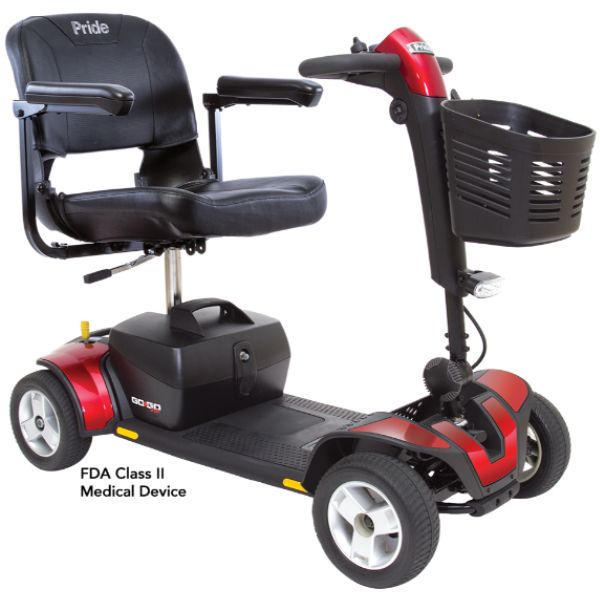
- Go-Go Folding Scooter by Pride Mobility — Excellent for those needing portability — folds or disassembles easily, especially useful if storage space is limited or you frequently travel.
- Shoprider Echo 3 Mobility Scooter — Entry-level scooter for those new to mobility aids; lighter weight, easy controls, and simple operation — though less powerful, still useful for light mobility needs.
Matching Scooter Type to Your Needs: A Quick Decision Framework
Your ideal mobility scooter depends heavily on how and where you’ll use it — as well as the specific pain or mobility constraints you face. Here’s a rough decision matrix:
| Your Situation / Need | Best Scooter Type / Features |
| You spend most of your time indoors or in small spaces (home, mall) | 3-wheel scooter (tight turning radius), swivel seat, lightweight, compact |
| You travel outdoors — sidewalks, parks, errands — regularly | 4-wheel or heavy-duty scooter with suspension, wide wheelbase, and good battery range |
| You have severe back or spinal pain, need a smooth ride & seat comfort | Padded seat with back support, suspension, adjustable armrests, and swivel seat |
| You’re on a budget or want something simple | Basic 3- or 4-wheel with minimal but adequate comfort; prioritize ease of use over fancy extras |
| You have limited storage space or need to transport the scooter | Folding or disassemblable scooter, lightweight frame, easy to carry |
| You’re heavier or carry items often (groceries, cane/walker) | Scooter with high weight capacity, sturdy frame, spacious footboard/legroom |
Common Mistakes to Avoid — Especially When You Have Back / Joint Issues
When looking for a scooter, many buyers focus on battery life or speed — but those aren’t the priorities if pain relief and comfort are your main goals. Here are some pitfalls to avoid:
- Prioritizing portability over comfort. A lightweight “travel scooter” might fold easily — but often sacrifices seat padding, shock absorption, and stability. For pain-prone users, that trade-off can worsen discomfort.
- Skimping on seat ergonomics. Cheap scooters often feature hard or flat seats with minimal back support—a recipe for back strain.
- Ignoring suspension or terrain needs. A scooter that behaves like a pogo stick on uneven pavements can aggravate spine or joint pain.
- Overlooking turning radius or space constraints. A bulky, heavy-duty scooter may be fine outdoors, but unwieldy indoors — leading to awkward transfers or increased strain.
- Overloading the scooter. Exceeding the weight capacity or adding heavy cargo can strain the motor — causing jerky starts/stops that impact comfort.
How to Select the Right One — A Step-by-Step Buying Checklist (for Pain-Sensitive Users)
- Evaluate your daily needs and routine. Will the scooter be used indoors? Outdoors? Long errands? Short trips? Carefully map out typical use cases.
- Measure your space and home layout. Doorways, hallway widths, storage — ensuring scooter will fit where needed.
- Test for comfort and ergonomics. Try before you buy: sit down, check seat padding/back support, test turning, ease of getting on/off. If that’s not possible, examine the specs —adjustable seat height, swivel seat, lumbar support.
- Check suspension and ride smoothness (especially for outdoor use). If you expect rough terrain, choose models with shock absorbers or suspension systems.
- Verify weight capacity and stability. Ensure the scooter supports your body weight plus a margin for any items you might carry.
- Consider portability vs. permanence. If you frequently travel or have limited space, pick a foldable or travel scooter — but only if it still offers adequate comfort.
- Read reviews, ideally from users with similar needs. Look especially for feedback related to comfort over long periods, ride smoothness, ease of transfer, and seat support.
- Consult a healthcare professional if needed. Especially for chronic back or joint conditions, a medical professional can offer insight on posture, seating angle, and what to avoid.
Why the “Pain-Focused” Scooter is More Than a Device — It’s Mobility Therapy
Using a well-designed mobility scooter isn’t simply about sidestepping pain or making errands easier. For many with chronic back or joint issues, it’s about reclaiming autonomy. A scooter that cushions shocks, supports posture, and reduces strain turns mobility from a burdensome chore into an act of self-care.
Indeed, some pain-friendly scooters effectively become part of a broader pain-management strategy: preserving energy for physical therapy or gentle exercise; avoiding inflammation exacerbation; and enabling social outings and mental stimulation without risking a pain flare-up.
In that sense, choosing the right scooter is akin to choosing a walking aid —a posture support—an aid that preserves dignity, independence, and quality of life.
How to Maintain Your Mobility Scooter for Long-Term Comfort
A mobility scooter isn’t just a device you purchase and forget about, especially when you rely on it to protect sensitive joints or an already delicate spine. Proper maintenance ensures not only longevity but also ride quality, which directly affects how much impact your body absorbs. Even the most ergonomic scooter can start to feel rough if it isn’t cared for, so a little routine attention goes a long way.
Check Tire Pressure and Tire Condition Regularly
Underinflated or worn tires can make the ride feel bumpier and harsher, transmitting unnecessary vibration into your lower back and hips. Keeping tires properly inflated ensures smoother rolling and better shock absorption, especially outdoors.
Keep the Seat and Suspension in Peak Condition
If your scooter has adjustable suspension, inspect it periodically for stiffness or sagging. Meanwhile, clean the seat cushions, tighten loose screws, and ensure the backrest stays supportive — a wobbly seat equals a wobbly spine.
Charge the Battery Properly
A weak battery can cause jerky acceleration or sudden lurching, both of which can worsen back or joint pain. Charge consistently, avoid draining it to zero, and replace old batteries when they start losing range.
Inspect the Brakes and Steering Column
Smooth braking and responsive steering matter more than you might think — they prevent abrupt stops or sudden twists that strain your neck, shoulders, and wrists. Quick yearly servicing can keep everything gliding comfortably.
Clean and Lubricate Moving Parts
Dust and debris can interfere with wheels, joints, and the tiller. A little lubrication and cleaning help maintain fluid motion, ensuring your scooter remains a gentle extension of your body rather than a mechanical irritant.
Schedule Regular Professional Tune-Ups
Even with routine self-maintenance, a trained technician can catch issues early—misalignment, worn suspension, or motor problems—preventing discomfort and preserving a silky, pain-free ride.
FAQs
What features make a mobility scooter good for back or joint pain?
Look for cushioned, adjustable seating, good back support, suspension or shock absorption, and easy-to-use controls.
Are 3-wheel scooters safe for people with pain issues?
Yes — they’re great for indoor use and maneuverability. But for outdoor stability and uneven terrain, 4-wheel models are usually better.
Can mobility scooters help reduce chronic pain?
Indirectly, yes. They reduce strain on joints and prevent repeated pressure on the spine, helping minimize flare-ups from walking long distances.
Are travel scooters comfortable enough for people with back pain?
Some are, but many have smaller seats and limited suspension. If comfort is a priority, choose a model with enhanced padding and support.
How do I know which scooter is right for me?
Consider where you’ll use it (indoors/outdoors), your pain level, weight capacity needs, terrain, and the comfort of the seat and suspension system.
Are heavy-duty scooters better for joint pain?
They can be. Heavy-duty models often offer superior suspension, stability, and more supportive seating.
Should I test a scooter before buying?
If possible, yes. Test how easy it is to sit, get off, steer, and ride—comfort can vary widely by model.
Conclusion
If you or a loved one is dealing with back pain, arthritis, or chronic joint discomfort, don’t settle for the “first mobility scooter available.” What you need is a scooter that understands pain, not just mobility. One that cushions when pavements are harsh. One that swaddles your spine when you sit. One that turns ergonomics into freedom.
With careful selection, attention to comfort and ergonomics, and a bit of hands-on testing or research, you can find a mobility scooter that doesn’t just transport you: it protects you. It preserves your posture, your joints, your dignity. And, ultimately, your independence.
So take your time. Evaluate realistically. Prioritize comfort and support. And choose a mobility solution that doesn’t just move you—but moves you forward.
Ready to upgrade your mobility? Find Your Perfect Scooter on Electric Wheelchairs USA today!
Leave a Reply