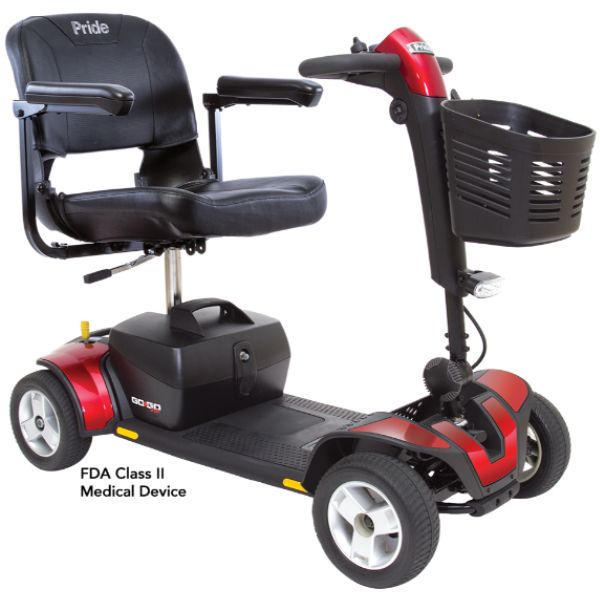
Mobility Scooters For You

Complete Guide to Keeping Your Mobility Scooter in Top Condition for Years to Come

Mobility scooters are more than just machines; for many people, they represent freedom, independence, and the confidence to move through daily life without limitations. To keep that freedom intact, you need to ensure your scooter performs at its best—not just today or tomorrow, but for years to come. And the truth is this: a well-maintained mobility scooter can last significantly longer, offer smoother rides, and reduce costly repairs.

Yet proper maintenance is often overlooked, either because owners assume the scooter is self-sustaining or because they’re unsure what to do. Fortunately, maintaining a mobility scooter doesn’t require advanced mechanical skills. It simply involves consistency, attention, and a little guidance—which is precisely what this comprehensive guide provides.

Below, you’ll find detailed, practical steps to keep your mobility scooter running flawlessly over the long term. From battery preservation and tire care to motor checks and cleaning routines, this guide will walk you through everything you need to know.

Why Mobility Scooter Maintenance Matters More Than You Think

Before diving into the actual steps, it’s helpful to understand why maintenance is crucial.

A mobility scooter comprises several critical components—batteries, brushes, motors, wiring, electronics, tires, and braking systems. If any of these fail unexpectedly, it can lead to breakdowns, unsafe conditions, or expensive repairs. Worse yet, it can leave you stranded at the most inconvenient times.

Proper maintenance helps ensure:

  • Longer equipment lifespan
  • Safer rides, especially for seniors and users with limited mobility
  • Lower repair and replacement costs
  • Improved battery life and travel range
  • Consistently smooth and comfortable performance

Neglecting maintenance can have the opposite effect—reduced power, squeaky rides, jerky movement, or complete breakdowns. So maintaining the scooter isn’t optional. It’s essential.

Maintain the Battery: The Heart of Your Mobility Scooter

Batteries are the most critical component of a mobility scooter. If the battery fails, the entire scooter becomes inoperable. Proper battery care can add years to its lifespan.

Charge the Battery Regularly

Most mobility scooter manufacturers recommend charging the battery after every use—even if the ride was short.

  • Never let the battery completely die.
  • Deep discharges drastically reduce battery lifespan.
  • Charge overnight when possible.
  • Modern chargers stop automatically to prevent overcharging.
  • Avoid skipping days.
  • Sitting unused with a low charge damages the cells.

Store Batteries in a Temperature-Controlled Space

Extreme temperatures may harm the battery.

  • Avoid freezing temperatures, which can damage the battery’s internal structure.
  • Avoid excessive heat, which speeds up chemical degradation.
  • The ideal temperature range: 10°C to 25°C (50°F to 77°F).

Keep Battery Terminals Clean

Corrosion buildup reduces electrical flow.

  • Inspect terminals monthly.
  • Lightly wipe the area with a clean cloth to remove away any residue, or softly brush it off instead.
  • Tighten wires if they feel loose.

Replace Batteries Before They Fail

Most mobility scooter batteries last 12–24 months, depending on usage.

If you notice:

  • Reduced driving range
  • Slow acceleration
  • Longer charging times

…it may be time to replace the battery.

Care for the Tires: Smooth Rides Start at Ground Level

Mobility scooter tires handle the entire weight of the rider and scooter, so issues like under-inflation or wear can cause rough rides, battery drain, or even dangerous instability.

Check Tire Pressure Weekly (for Pneumatic Tires)

Under-inflated tires wear faster and make the motor work harder.

  • Check PSI according to the manufacturer’s recommendations.
  • Use a handheld pressure gauge for accuracy.
  • Inflate or deflate as needed.

Inspect for Wear or Cracks

Mobility scooter tires are often solid or foam-filled, but even those can degrade over time.

Watch for:

  • Bald patches
  • Uneven wear
  • Cuts or cracks
  • Wobbling

Tires usually last 1 to 3 years, depending on the terrain.

Rotate or Replace Tires as Needed

Just like cars, mobility scooters benefit from occasional tire rotation.

If one tire wears faster than the others, swap it with a less-used tire to extend its lifespan.

Clean the Scooter Regularly: Dirt Is the Silent Enemy

Cleaning may seem basic, but dirt buildup can damage moving parts, block airflow to the motor, or work its way into electrical components.

Wipe Down the Scooter Weekly

Use:

  • A damp cloth
  • Mild soap
  • A non-abrasive sponge

Avoid pressure washers—they can force water into the electronics.

Keep Electrical Components Dry

Always avoid spraying water near:

  • The battery compartment
  • The tiller
  • The charging port
  • Wiring or connectors

Moisture can cause corrosion and short circuits.

Clean the Seat and Armrests

A clean scooter isn’t just functional—it’s comfortable.

To avoid bacterial growth and odor, especially if you use the scooter frequently, use warm, soapy water or disinfection wipes.

Inspect the Brakes and Motor: Safety First

A mobility scooter’s motor and braking system determine how safely and effectively you can maneuver. Over time, these components may wear down and require adjustment.

Check the Brakes Regularly

Signs of braking issues:

  • Slower stopping response
  • Grinding noises
  • Jerky movements
  • Loss of automatic braking on slopes

If you notice any of the above, stop using the scooter until it is inspected.

Inspect the Motor and Motor Brushes

Motors typically last many years, but their brushes—the part that conducts electricity—wear out over time.

Signs of motor issues:

  • Burning smell
  • Reduced speed
  • Strange vibrations
  • Intermittent power loss

Brushes should be checked annually by a technician.

Take Care of the Electronics and Wiring

The electronics are the control center of your scooter. Even a minor wiring issue can cause inconsistent performance or complete failure.

Check All Buttons, Switches, and Displays

Periodically test:

  • Speed control knobs
  • Headlights and taillights
  • Horn
  • Power switch
  • Indicator lights

If anything flickers or sticks, it may need cleaning or replacement.

Inspect the Wiring

Look for:

  • Loose connections
  • Exposed wires
  • Cracked insulation

Loose or damaged wiring can cause electrical short circuits.

Keep the Scooter Stored Properly When Not in Use

Storage plays a significant role in long-term performance.

Store Indoors When Possible

Avoid leaving the scooter:

  • Out in the rain
  • In snow
  • On damp surfaces
  • Under direct sunlight for extended periods

Moisture and UV rays damage plastics, wiring, and electronics.

Use a Scooter Cover

Invest in a waterproof mobility scooter cover if you have to store it outside. It protects against dust, water, and fading.

Avoid Long Periods Without Charging

If the scooter will sit unused for weeks:

  • Charge the battery fully.
  • Store it in a cool, dry place.
  • Recharge every 3–4 weeks to prevent deep discharge.

Get Annual Professional Servicing

Even with perfect at-home maintenance, mobility scooters still need professional servicing.

A technician can:

  • Check the motor brushes
  • Inspect the drivetrain
  • Test the battery with diagnostic tools
  • Lubricate internal components
  • Calibrate the electronic systems
  • Tighten frame bolts and joints

Think of it like an annual physical exam for your scooter.

Pay Attention to How Your Scooter Feels

You are your scooter’s best observer. If anything feels “off,” trust your instincts.

Pay attention to:

  • New noises
  • Shaking or wobbling
  • Slow acceleration
  • Changes in steering
  • Reduced turning radius
  • Sudden stopping

Minor issues often become big problems if ignored.

Keep the Manual Close—and Refer to It

Your mobility scooter’s manual contains brand-specific instructions, including recommended:

  • Battery type
  • Tire pressure
  • Cleaning methods
  • Load limits
  • Maintenance schedules

Each model may have unique components that require specific care.

Common Mobility Scooter Problems (and Quick Fixes)

Here are some frequent issues and what they might mean:

Scooter Won’t Power On

  • Dead battery
  • Loose battery connection
  • Blown fuse
  • Faulty ignition switch

Scooter Moves Slowly

  • Battery near the end of its life
  • Motor brushes are worn down
  • Under-inflated tires

Jerky Starts or Stops

  • Controller issues
  • Brake calibration problem

Clicking Noises

  • Wheel bearings
  • Loose hardware
  • Electric relay issues

Whenever in doubt, consult a technician.

How Often Should You Service Your Mobility Scooter?

Many mobility scooter owners wonder how frequently they should schedule professional checkups. While daily and weekly at-home maintenance is essential, periodic expert servicing ensures that the internal components—those you can’t easily access—stay in optimal condition. Most manufacturers recommend a full inspection every 12 months, but heavy users or those riding on rugged terrain may benefit from biannual servicing. During these appointments, technicians check the motor, axle alignment, brake calibration, and battery health using tools unavailable to most users. A professional tune-up doesn’t just catch problems early; it also keeps your scooter running more efficiently, reducing energy strain and extending battery life. Consistent servicing ultimately preserves long-term performance and enhances rider safety.

Signs Your Mobility Scooter Needs Immediate Attention

Some issues can wait a few days, but others require immediate action to prevent breakdowns or potential safety hazards. If your scooter suddenly loses power, stops responding to the throttle, or emits burning or electrical smells, discontinue use right away. Grinding or scraping noises could indicate loose bearings or a brake malfunction. Likewise, if the scooter feels unstable, wobbly, or pulls to one side during turns, the tires or steering column may need urgent repair. Ignoring these red flags can lead to larger, more expensive problems—or unsafe riding conditions. When in doubt, consult a technician promptly.

Weatherproofing Your Mobility Scooter for All Seasons

Weather affects mobility scooters more than many people realize. Rain, humidity, and snow can damage electrical components, while extreme heat drains battery capacity. During wet months, always use a waterproof scooter cover and avoid riding through deep puddles. In winter, bring the scooter indoors to prevent battery freezing and brittle plastic components. Hot summers require shaded storage and frequent battery checks to avoid overheating. Seasonal adjustments ensure year-round performance and protect your investment from the elements.

Extending the Lifespan of Your Scooter Through Smart Usage

How you use your mobility scooter is just as important as how you maintain it. Start by avoiding overloading the scooter—carrying weight above the manufacturer’s limit strains the motor, battery, and suspension. Take smoother turns, avoid sudden stops, and steer around potholes or curbs whenever possible. Driving on extremely uneven terrain can cause frame damage or misalignment. Even simple habits, such as accelerating gradually or maintaining a steady speed, reduce wear on internal components. Thoughtful, consistent usage significantly enhances your scooter’s longevity.

Accessories That Help Preserve Scooter Performance

Several accessories can protect your mobility scooter and improve long-term performance:

  • Weatherproof scooter covers
  • Rearview mirrors to prevent accidental bumps
  • Seat covers to protect upholstery
  • Anti-tip wheels for added safety
  • Portable ramps to reduce frame strain
  • Battery maintenance chargers for regulated power flow

These additions don’t just enhance safety and comfort—they also help protect vulnerable areas of the scooter from environmental or physical damage, extending the machine’s life.

Creating a Weekly Mobility Scooter Maintenance Checklist

A checklist can simplify your routine and ensure nothing is overlooked. A practical weekly checklist may include:

  • Inspect tire pressure and tread
  • Wipe down the scooter, focusing on the tiller and seat
  • Test the horn, headlights, and indicator lights
  • Check battery charge level
  • Make sure the charging port is clean and clear of any dust or debris.
  • Inspect wiring and connections for visible wear

By breaking maintenance into manageable tasks, you avoid last-minute surprises and keep your scooter consistently performance-ready.

When It’s Time to Consider Replacing Your Mobility Scooter

Even with meticulous care, every scooter eventually reaches the end of its lifespan. Signs that it may be time to consider a replacement include consistently reduced battery range, growing repair costs, outdated safety features, or frequent mechanical failures. If repairs cost more than half the price of a new scooter, upgrading may be more economical. Newer models often offer better suspension, longer-lasting batteries, improved comfort, and enhanced accessibility features, providing a smoother, safer ride.

Mobility Scooter Maintenance Quick-Reference Table

Maintenance Task

Frequency

What to Do

Why It Matters

Battery Charging

After every use

Charge fully; avoid deep discharges

Extends battery lifespan and ensures full power

Tire Pressure Check

Weekly

Check PSI; inflate to recommended levels

Prevents uneven wear and reduces motor strain

Cleaning the Scooter

Weekly

Wipe surfaces; avoid water near electronics

Prevents buildup and protects internal components

Brake Inspection

Monthly

Test responsiveness; listen for unusual sounds

Ensures safe stopping and smooth control

Wiring & Connection Check

Monthly

Inspect for loose or exposed wires

Prevents electrical issues and breakdowns

Motor & Brushes Check

Annually

Have a technician inspect internal components

Keeps the motor efficient and extends the scooter’s life

Full Professional Service

Every 12 months

Full diagnostic check and tune-up

Identifies hidden issues and improves long-term performance

Tire Replacement

1–3 years

Replace worn or cracked tires

Enhances stability, comfort, and safety

Battery Replacement

12–24 months

Replace when the charge capacity weakens

Ensures reliable power and more extended travel range

FAQs

How often should I charge my mobility scooter battery?

Charge it after every use, even for short trips, to keep the battery healthy.

How frequently should I check tire pressure?

Once a week is ideal, especially for pneumatic tires that lose air over time.

Can mobility scooters get wet?

Light moisture is okay, but avoid heavy rain, puddles, and high-pressure washing.

How long do mobility scooter batteries last?

Most last 12–24 months, depending on use, charging habits, and terrain.

When should I have my scooter professionally serviced?

At least once a year, or twice a year for heavy users.

What are the signs my scooter needs repair?

Strange noises, reduced speed, sudden power loss, or difficulty turning.

Should I store my scooter indoors?

Yes. Indoor storage protects the battery, electronics, and plastic components from weather damage.

Conclusion

Caring for your mobility scooter isn’t just a mechanical routine—it’s a long-term commitment to preserving your independence, comfort, and peace of mind. By regularly caring for the battery, keeping the tires in top shape, cleaning the frame, and paying attention to any odd noises or shifts in performance, you’re doing much more than simply helping a machine last longer. You’re ensuring that every outing—whether it’s a quick trip to the store or a full day of errands—remains smooth, safe, and stress-free.

Small habits truly add up. A few minutes spent cleaning or checking connections today can prevent costly repairs or sudden breakdowns later. With annual professional servicing, you can extend your scooter’s lifespan with expert care. Ultimately, maintenance is not simply about avoiding problems; it’s about empowering yourself with continuous, reliable mobility. Treat your scooter well, and it will support you faithfully for years to come.

Leave a Reply

Your email address will not be published. Required fields are marked *